
(best viewed on desktop)
Science for a
world
FAS envisions a world where cutting-edge science, technology, ideas and talent are deployed to solve the biggest challenges of our time.
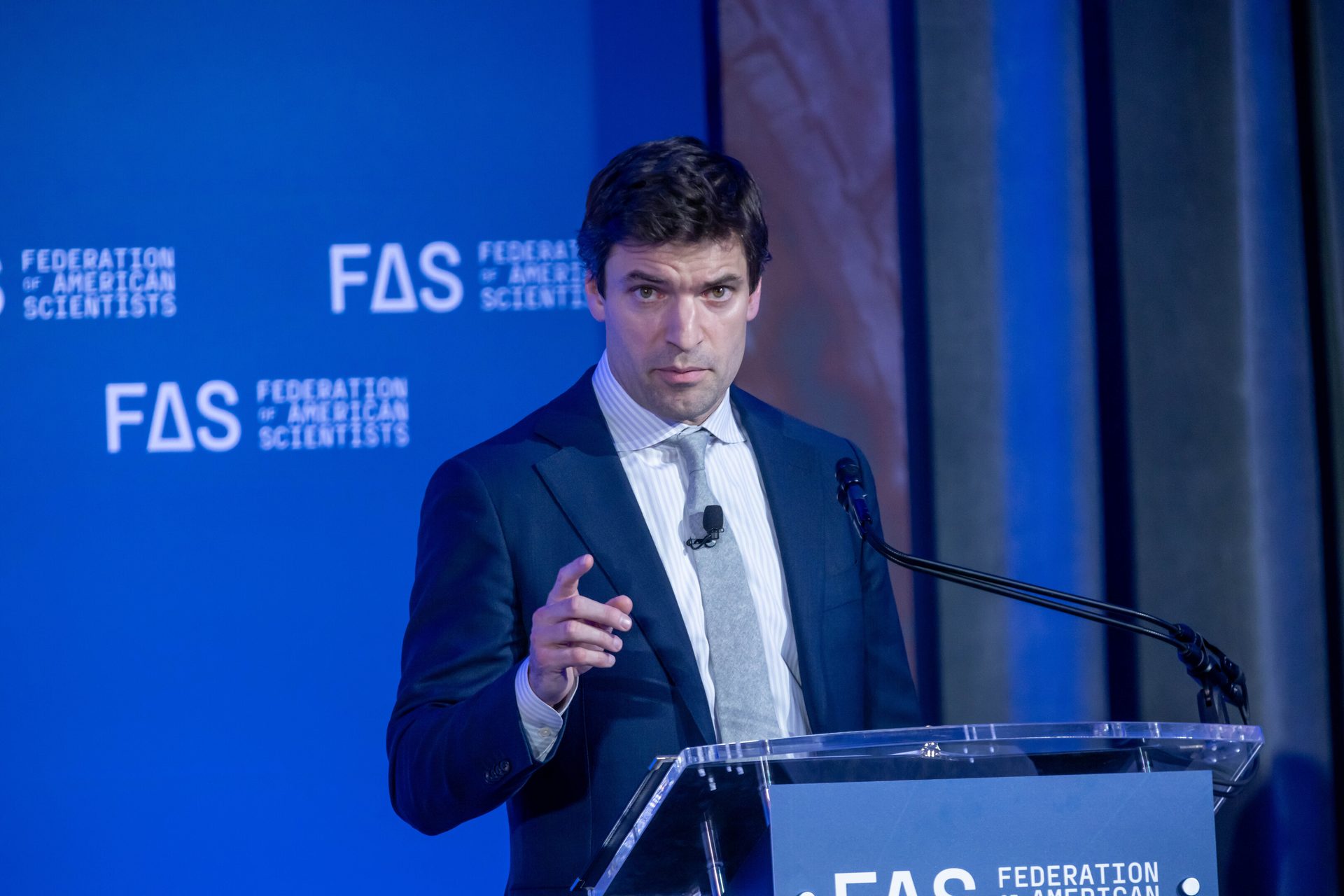
Friends and colleagues,
(letter from CEO Daniel Correa)
2025 was a year of momentous change and upheaval
– and more than a few bright spots for FAS.
New presidential administrations often force reconsideration, regrouping and reformulation of strategies for organizations that care about public policy. But the scale of the shifts in funding and priorities at the federal level this year were seismic. And it quickly became clear for the science and technology community that simply hoping for a return to the status quo – or responding to current challenges using the same old playbook – wasn’t going to cut it. Neither would accepting a world in which science and technology succumb to deep politicization and partisanship.
So where do we go from here?
For 80 years, FAS has taken its role in shaping the future of the science and technology landscape quite seriously. In our founding era, we both argued for measures to mitigate the risks presented by nuclear weapons while aggressively advocating for the creation of an independent National Science Foundation to bring Vannevar Bush’s vision for a post-war science ecosystem to life. These actions seem as wise now as they did then.
But as many in our community have known for some time – and as this year of upheaval has made even more clear – our society's relationship with science is due for a renewal, and our science and technology ecosystem needs revitalization and reform.
The exact blueprint for this renewal can’t be drawn from our past – no matter how many great minds and great ideas have graced the FAS offices these past 80 years. There is nonetheless deep inspiration to be uncovered in our past that propels us forward. For decades, FAS has been an engine of creative ideas and strategic policy responses to meet unexpected challenges. In moments like this one, such approaches will serve us well.
Only recently did we give this way of working a name: policy entrepreneurship. And the agility of our work over the last year is a good example of what it means, and where we think our community needs to go.
Our north star is real-world impact. And our work this year produced impacts that will last for years to come – tackling challenges such as the wildfire crisis...
the public health impacts of extreme heat,


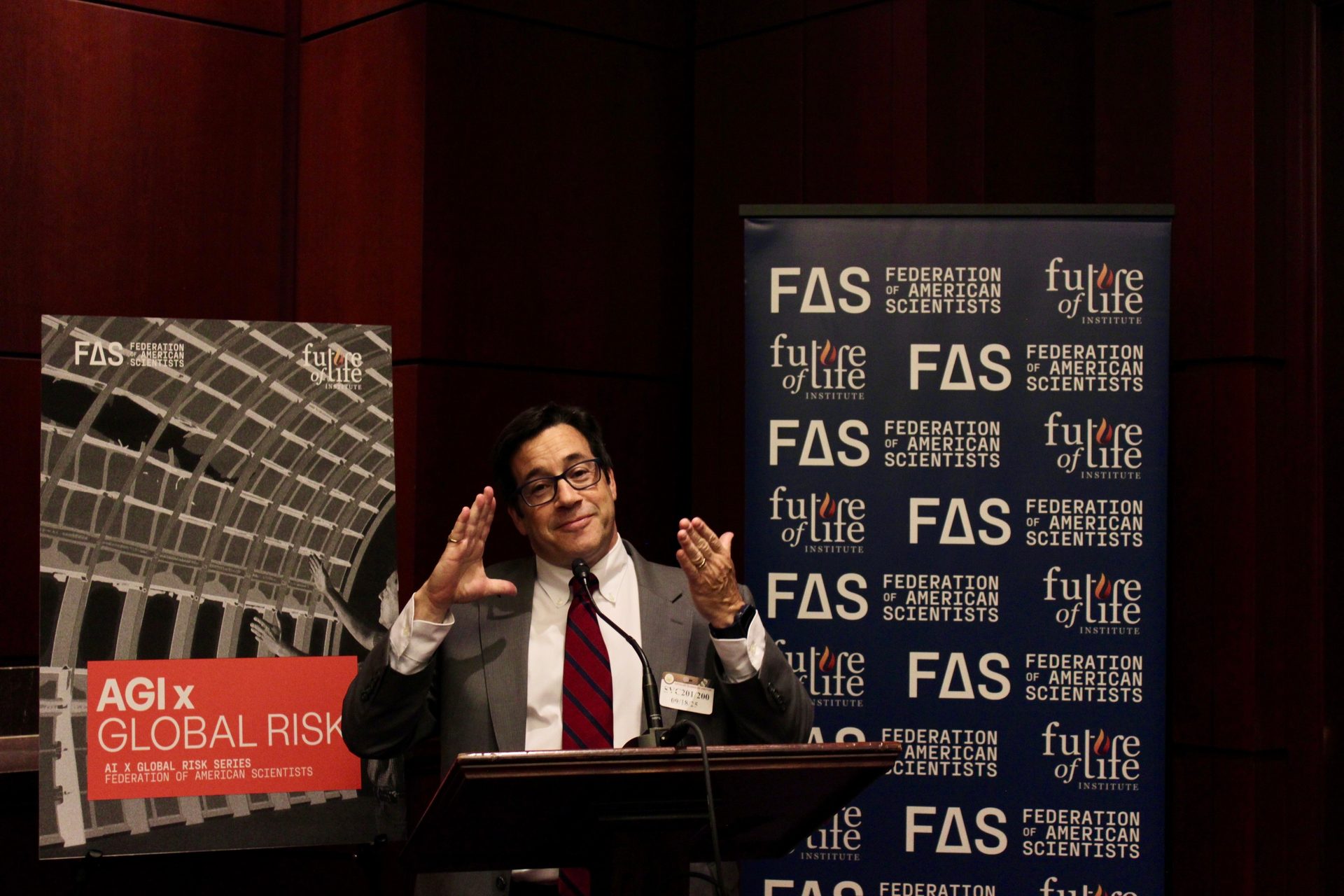
and the implications of AI advances on biorisks and nuclear weapons.

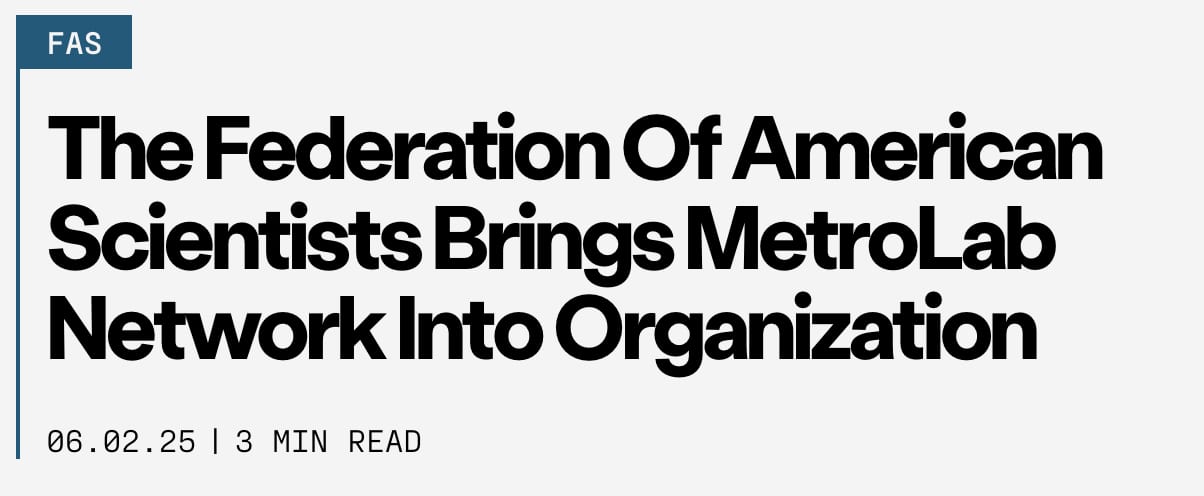
We made strategic decisions that will strengthen FAS far beyond this year, including acquiring MetroLab – a nonprofit dedicated to science and innovation policy at the state and local levels.

We even added our very first Chief Science Officer, Jedidah Isler (who you’ll hear from later) who started raising the bar at FAS from her very first day.
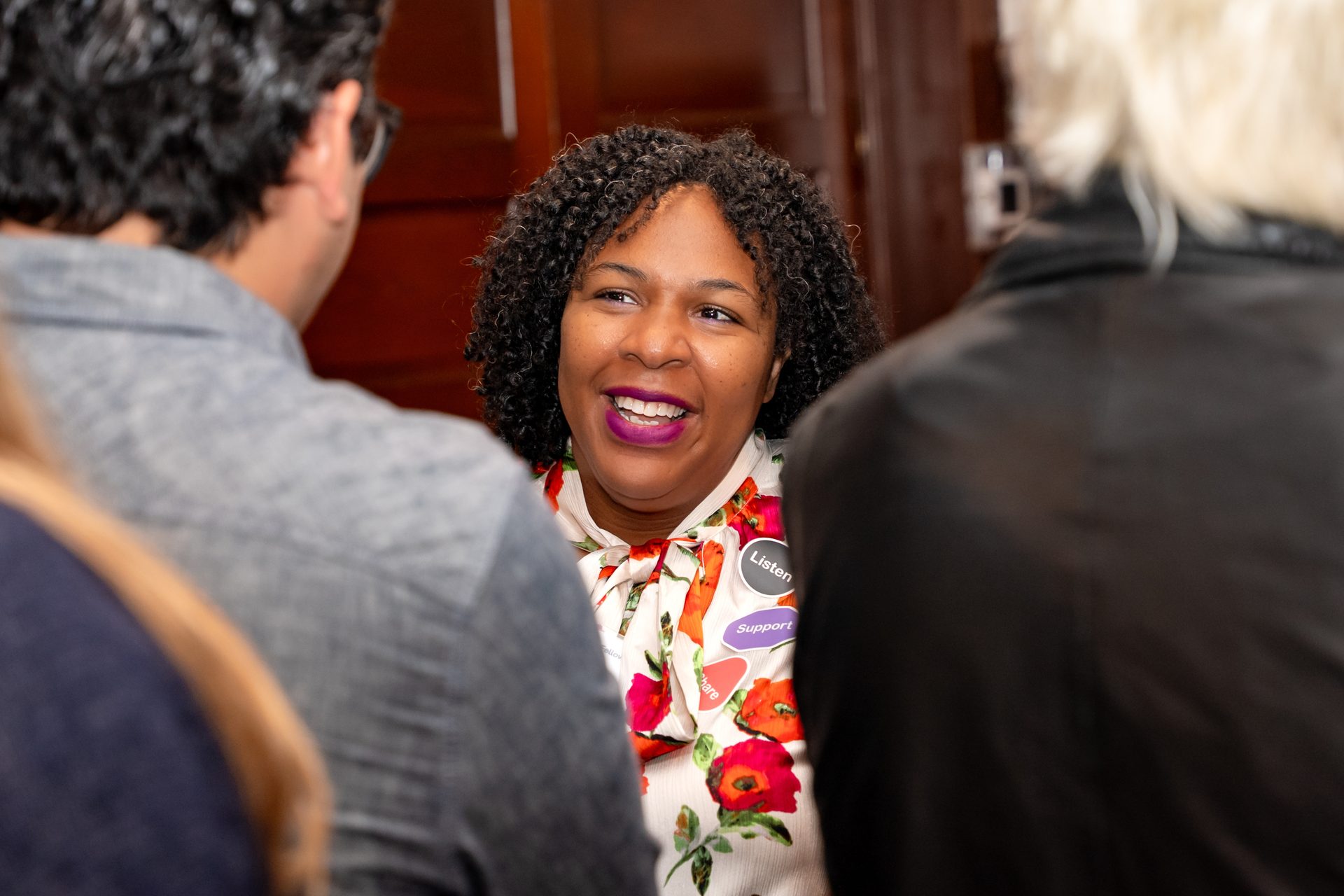
There are so many reasons to be proud of the FAS team this year. And yet none of it could have happened without the courage and ingenuity of our founders – who officially gathered for the first time 80 years ago. So that’s where this report will start – with a look back, as we celebrate FAS’s 80th year.
Our founders knew back in 1945 that good public policy had to be built on foundations beyond the walls of the White House and the halls of Capitol Hill; it had to address what was actually happening in laboratories, factories, classrooms and communities around the country. And it had to account for the way federal agencies actually worked. As we now embark on a project that seeks to revitalize the scientific enterprise and renew society’s relationship with it, we are guided by these insights.
The 80-year journey that’s led FAS to today is truly remarkable, as you’ll see, but I’m just as excited for the road ahead. I’ve never been more thrilled to have you along for the ride.
Daniel Correa, Chief Executive Officer

Now accepting ALL scientists!
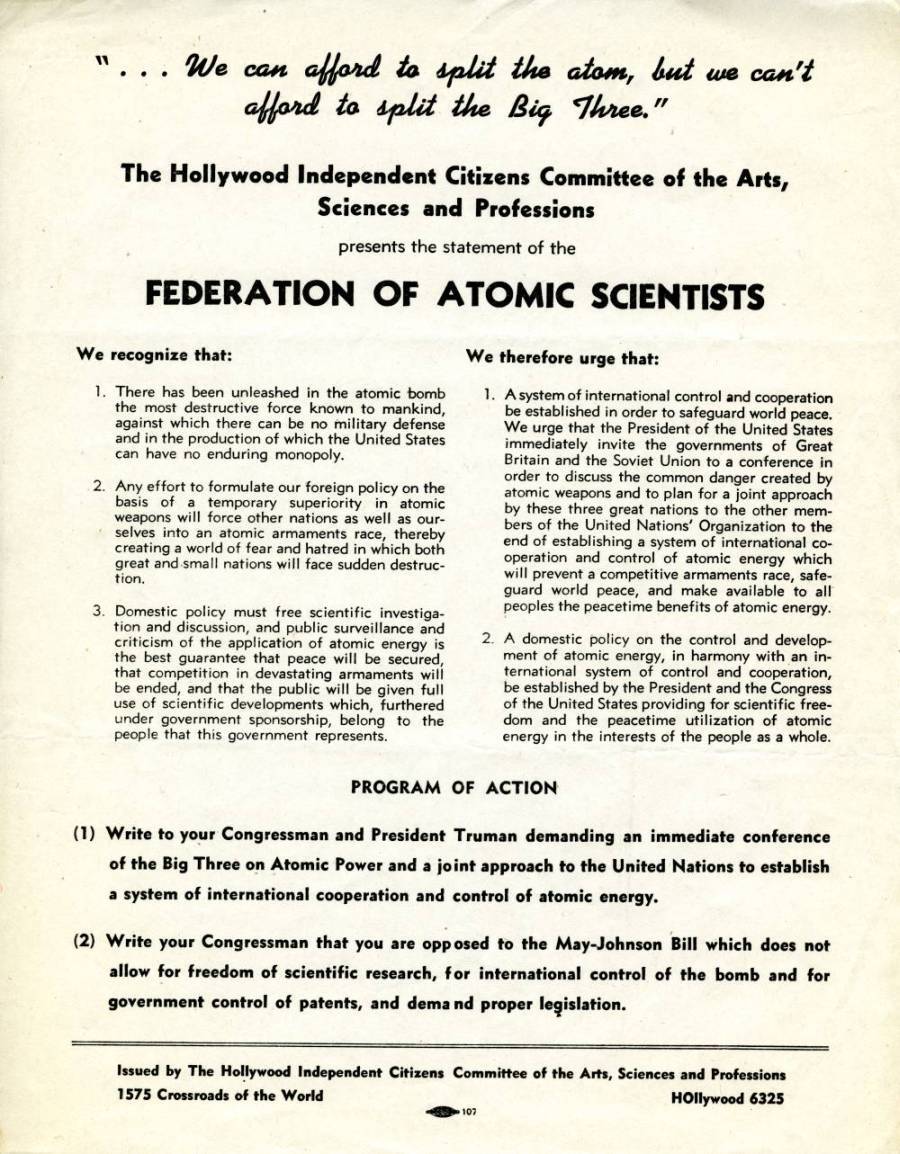
The “Federation of Atomic Scientists” becomes the “Federation of American Scientists”
1946
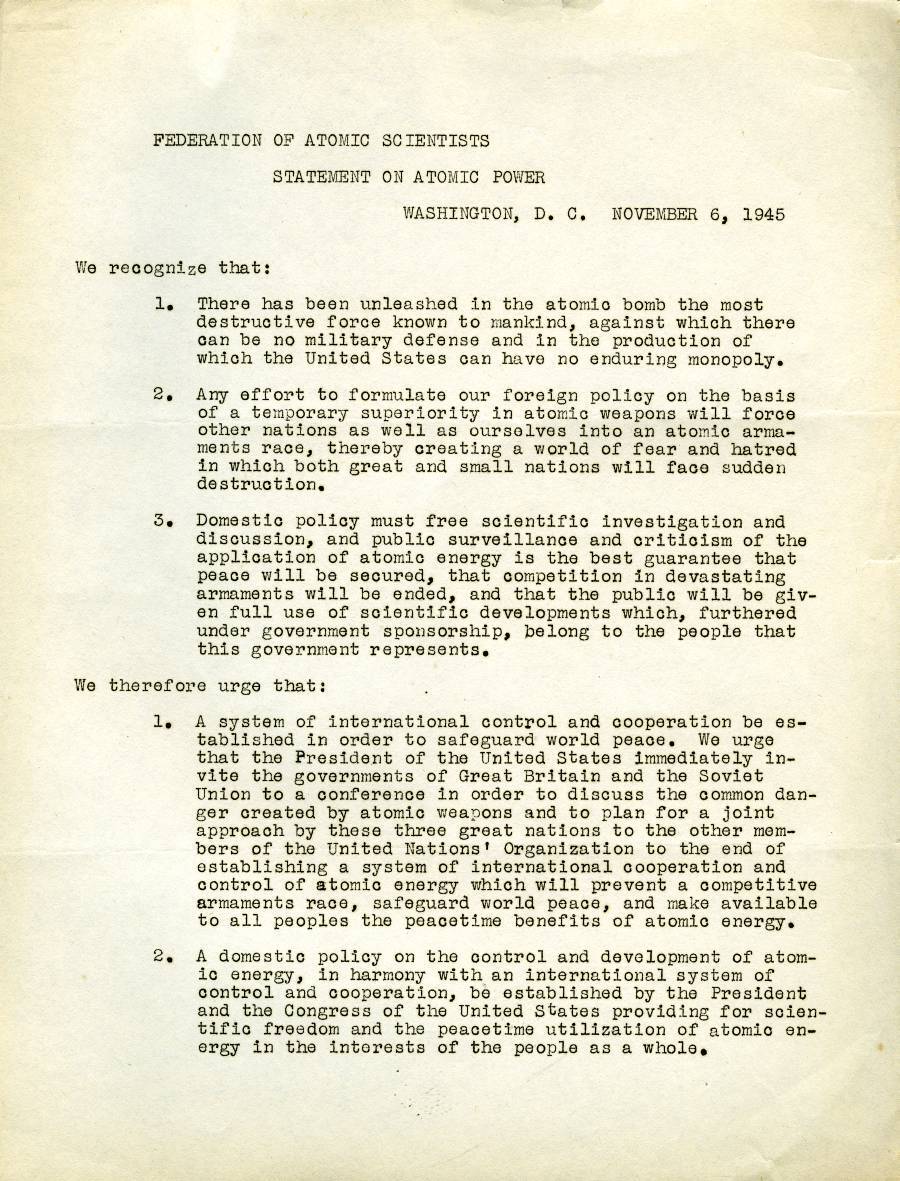
1945
FAS’s founders band together as the “Federation of Atomic Scientists” for the first time – offering a prescient warning about the coming nuclear-arms race, and a vision for how to safeguard scientific freedom, international scientific cooperation, and scientific advancement for the benefit of humanity.
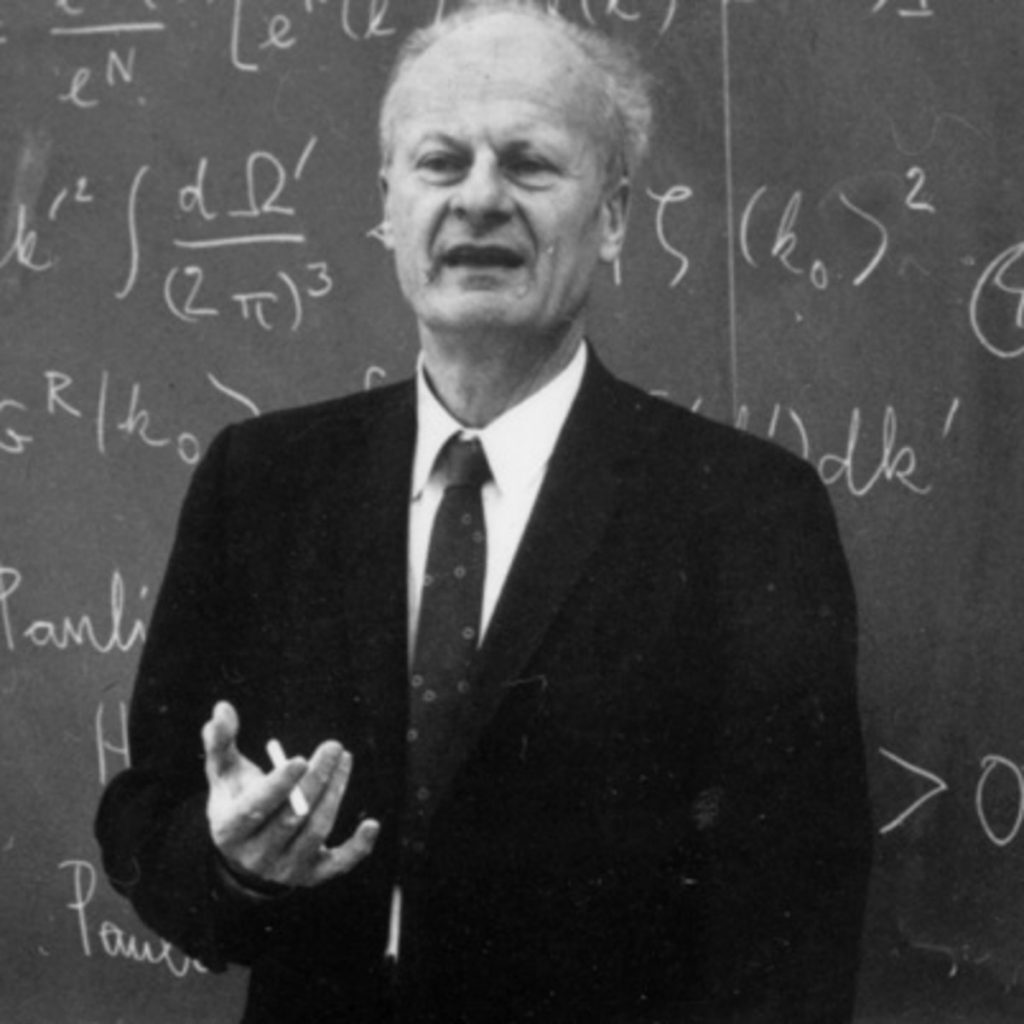
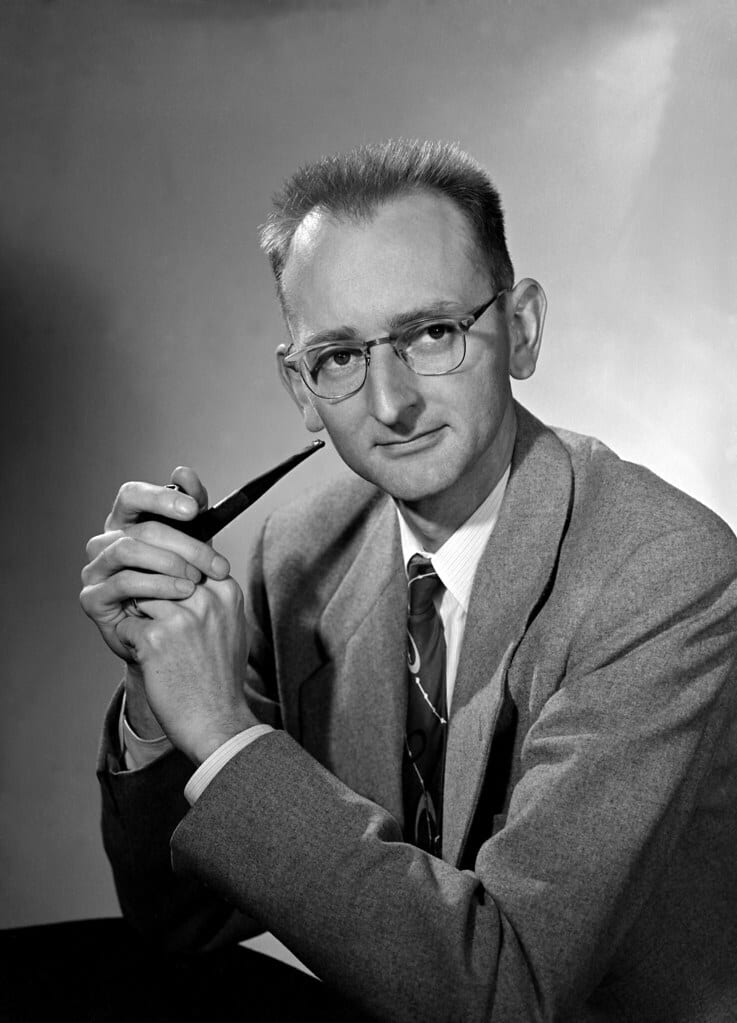
NOBEL PRIZES for everyone! (okay maybe just Chamberlain and Bethe) (1959 and 1967, respectively)
In the span of less than a decade – Dr. Owen Chamberlain (FAS Secretary) and Dr. Hans Bethe (FAS Advisory Panel member) each take home a Nobel Prize in Physics. Bravo!
1950
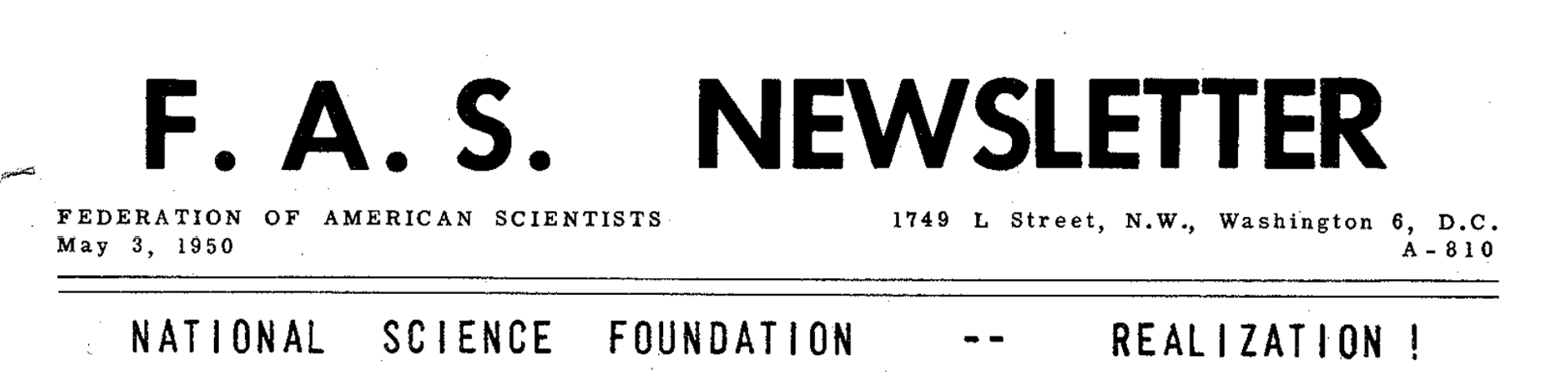
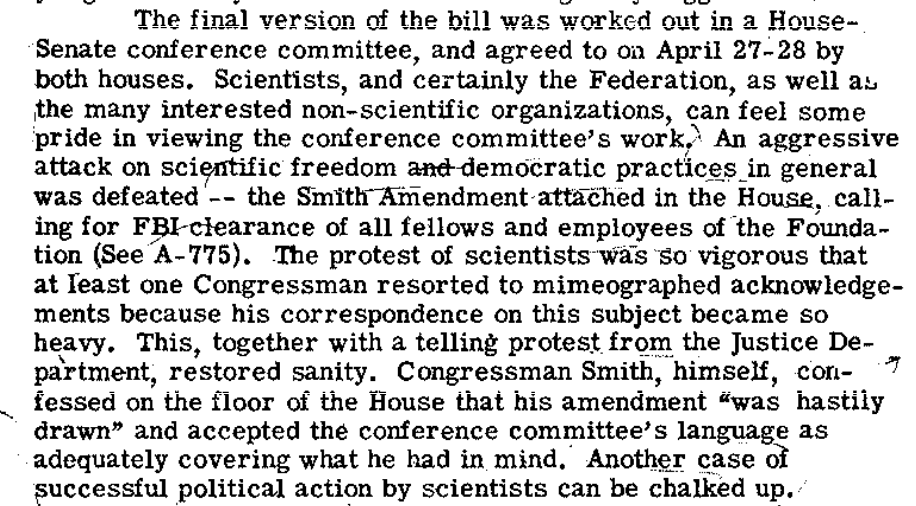
The National Science foundation becomes a reality – in no small part thanks to the efforts of FAS advocacy
1971
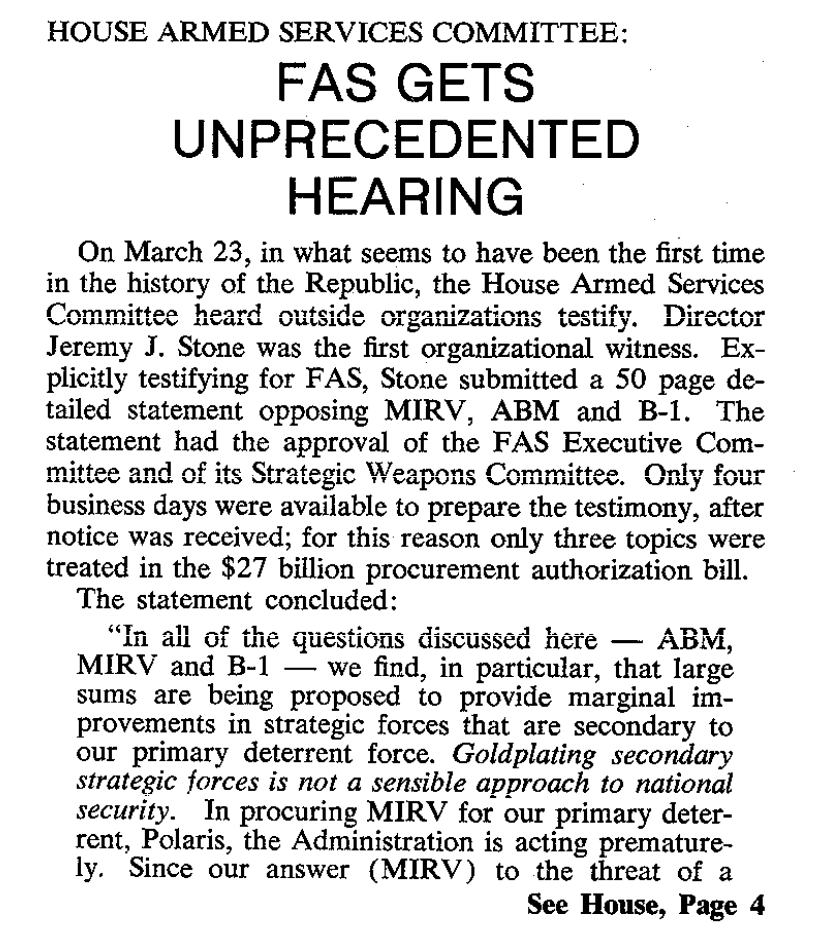
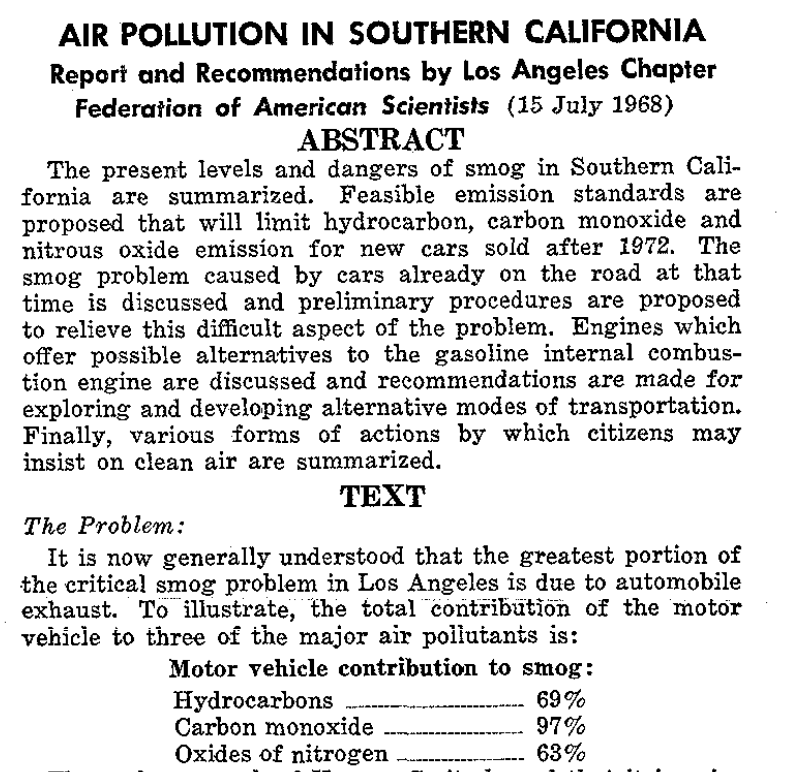
FAS is the first-ever organization to testify before the House Armed Services Committee, opposing MIRV, ABM, and B-1
Another confirmation of FAS’s credibility comes when it becomes the first-ever organization asked to testify before the House Armed Services Committee – where FAS Director Jeremy Stone again warned against the dangers and mounting costs of an arms race.
1968
Nonproliferation Treaty becomes reality – but FAS also goes all in on enviro issues
1968 was a big year for FAS.
The Nonproliferation Treaty (NPT) between nuclear capable countries – long-sought by FAS and others – became a reality.
But the year also marked the moment FAS really went all-in on environmental issues, after the Los Angeles chapter published its report on air pollution in Southern California – proposing emissions standards for new cars sold in the state.
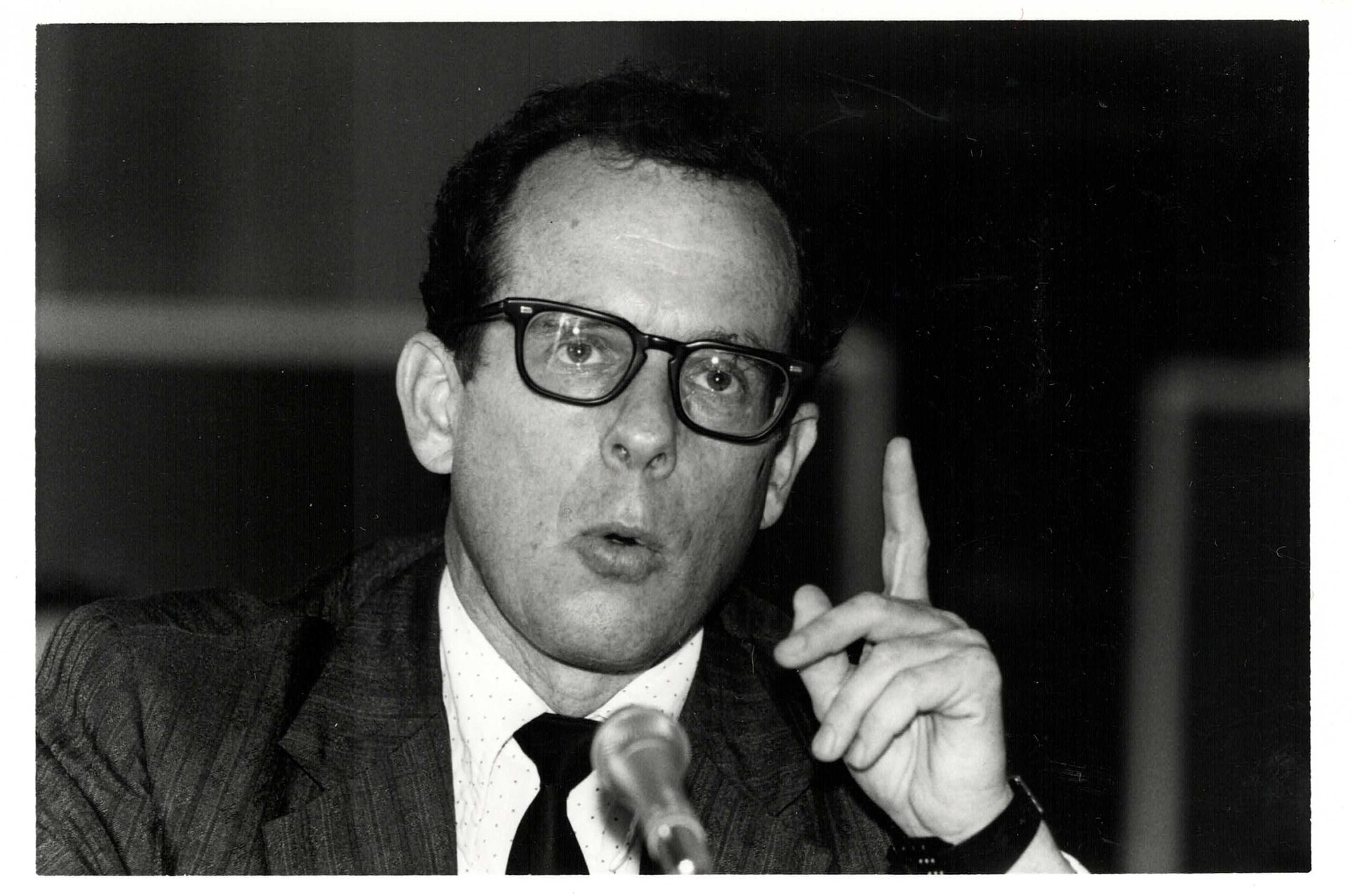
Here’s more proof that though FAS was best known for its expertise on nuclear weapons – our interest in environmental science and alternative energy solutions isn’t exactly new either.

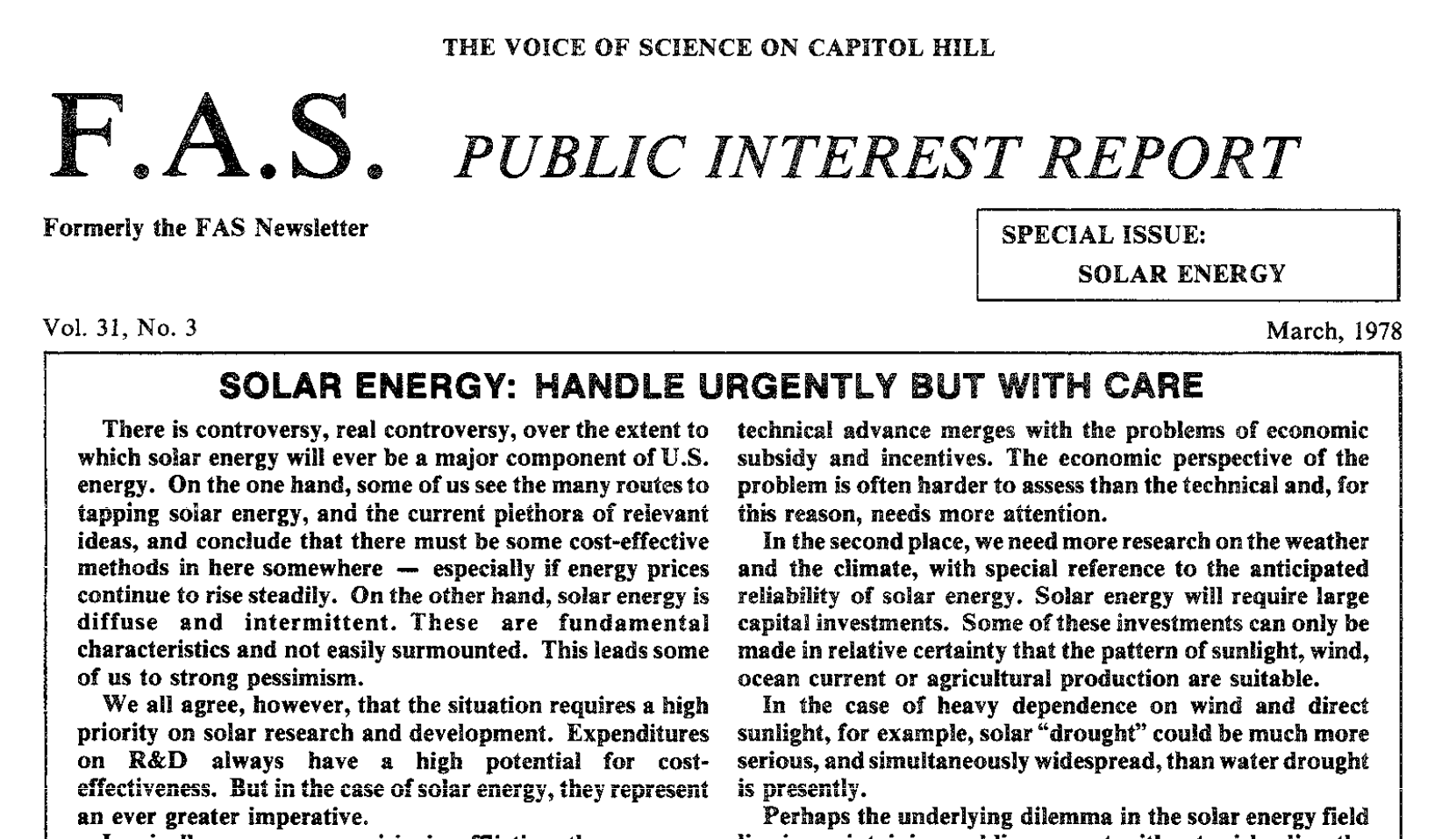
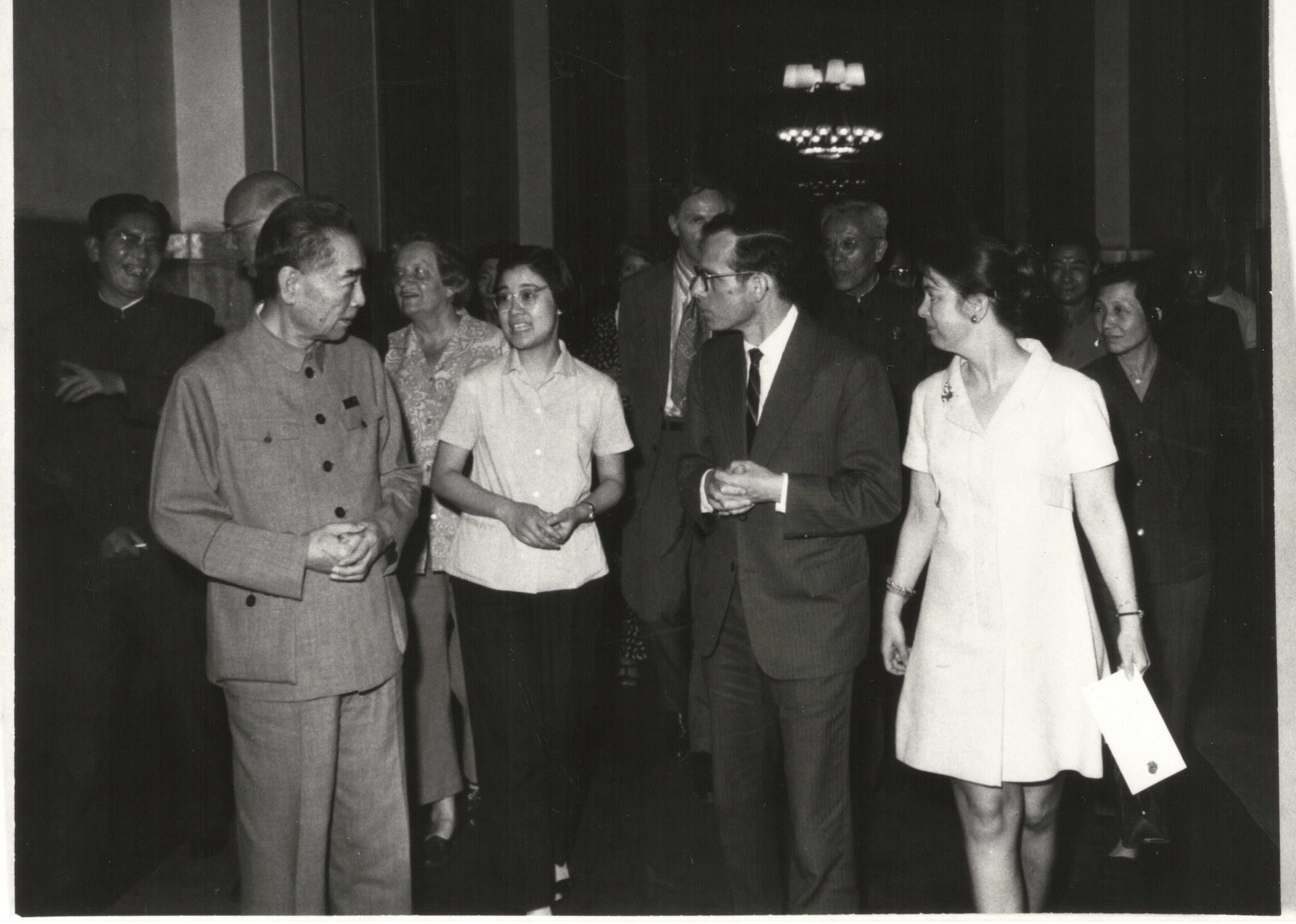
FAS becomes first scientific organizational delegation to China; 1973, Chinese scientists come to the U.S. to visit FAS
1972 may have provided the greatest example of what has become a longstanding FAS belief – sound science and international cooperation go hand-in-hand. This year, FAS sent the first scientific organizational delegation to China – in turn, the next year, the Chinese sent scientists to the U.S. to visit FAS.
1972
2005
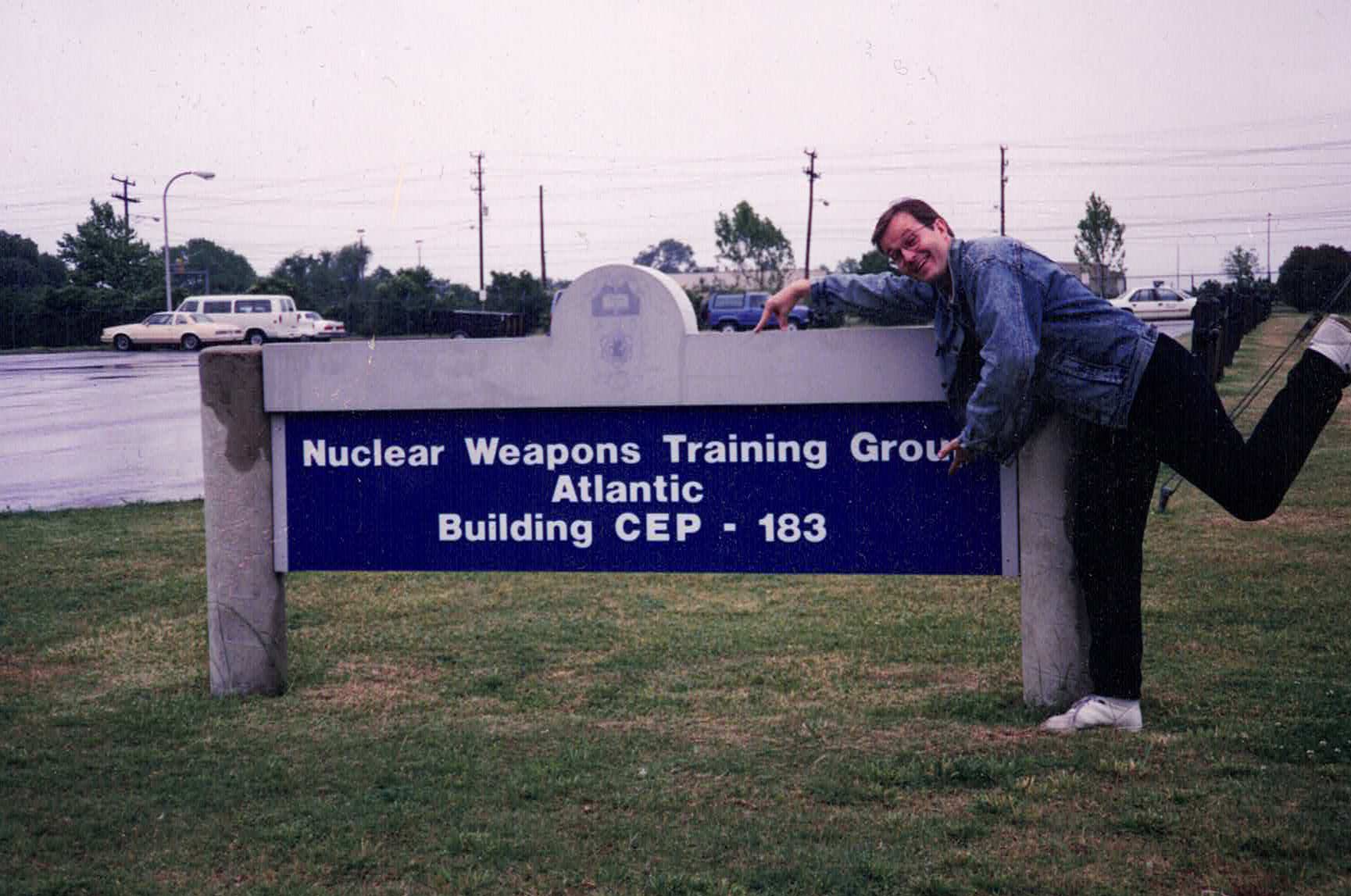
Hans Kristensen - living legend - begins his 20 years (and counting!) at FAS
Director of our Nuclear Information Project – and the driving force behind the Nuclear Notebook – Hans Kristensen began his FAS career in 2005. That’s 20 years – and he’s still going strong!
1980
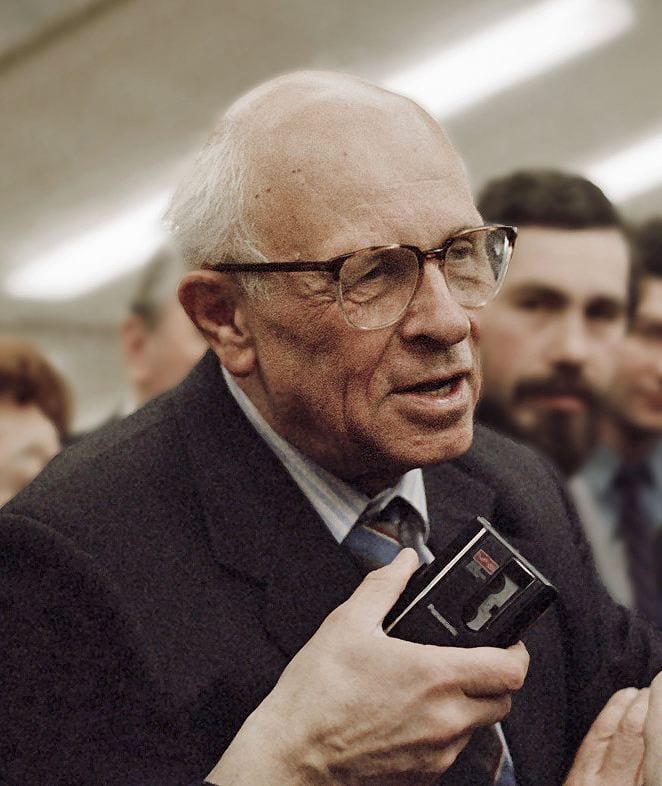
FAS adopts Andrei Sakharov, a Soviet scientists stripped of his political rights
FAS ‘adopts’ Andrei Sakharov – inventor of the Soviet H-Bomb who went on to speak out about human rights and individual liberties. His writings led to him being labeled a dissident and stripped of his political rights in his home country.
2023

CHIPS + Science Act Passes
The largest investment and reform effort for American science in generations is signed into law. It includes policy ideas from more than a dozen memos authored for the original Day One project.
2023
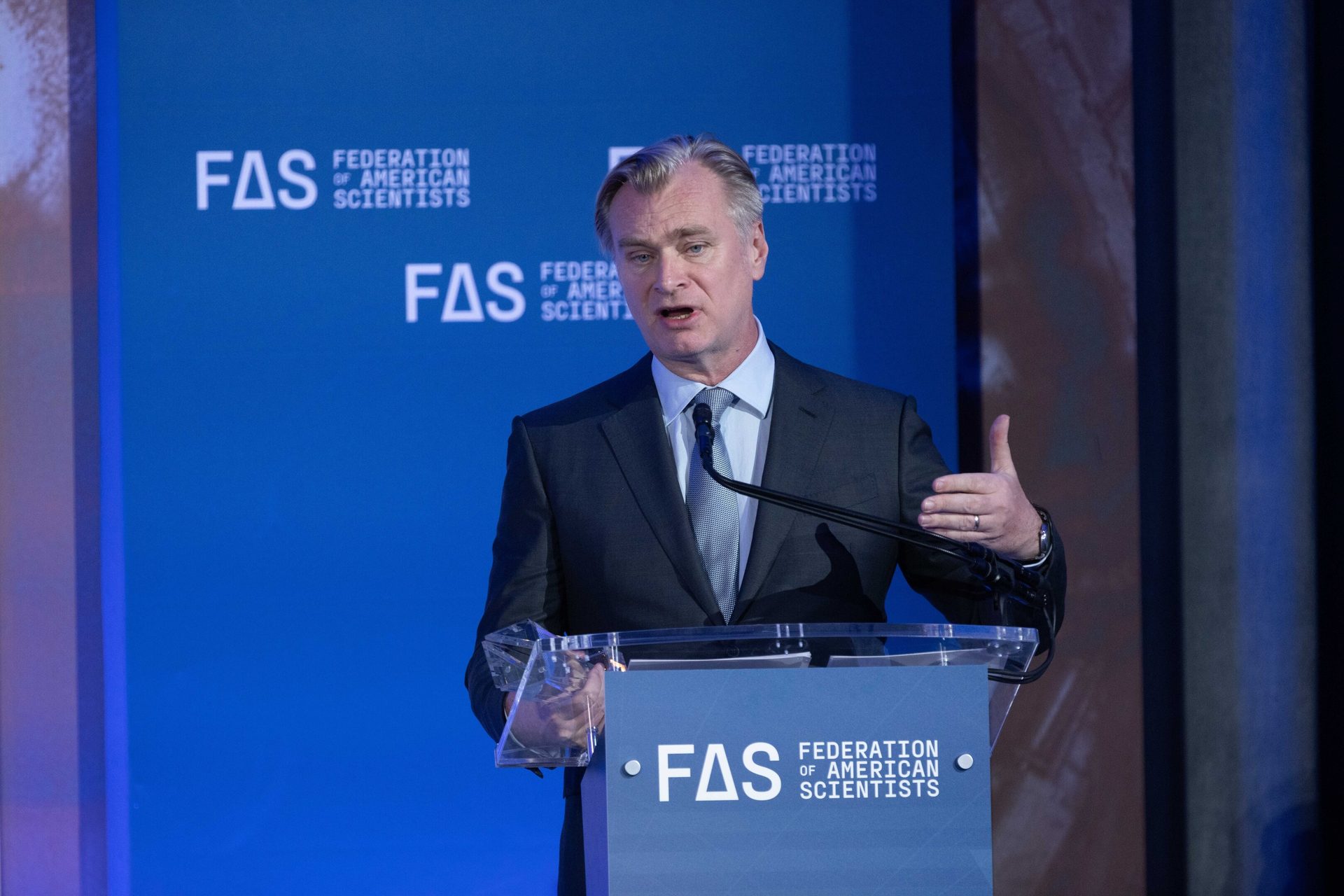
FAS PSA 2.0
FAS revives its Public Service Awards, honoring Alondra Nelson, Sens. Chuck Schumer and Todd Young, and Oppenheimer director Christopher Nolan.

potential for positive impact
(letter from CSO Dr. Jedidah Isler)
Stepping into the role of inaugural Chief Science Officer at the Federation of American Scientists is a big undertaking. It’s one I felt I was ready for – but a big undertaking nonetheless.
This is an organization with a legacy unlike any other, with founders who were giants in their field, but who also had the courage and foresight to stand up for humanity in ways that continue to inspire so many today.
I came to FAS not just for that proud history, but also because I saw an organization that has courage, credibility and technical knowledge right now – and with those things I believe the possibilities for positive impact in the world are virtually limitless.
I had collaborated with several members of the FAS team before officially joining their ranks, and getting to witness the breadth of talent and curiosity up close each day has been astounding.
So much of the work highlighted in this report is a testament to foundations laid long before 2025 – the work of policy entrepreneurship that makes FAS so unique.
But what this report also shows – and what I am most excited about – are the new ways we are approaching the work of science policy, and our evolving conception of FAS’ role within the larger science and technology ecosystem.
You’ll see more projects that cut across and connect multiple policy areas; more engagement with policy challenges and policymakers at the state and community level; and a renewed focus on championing the best talent to develop and implement those innovative policies. You’ll also see FAS working to build new and more sustainable coalitions – bringing disparate elements of the science and technology ecosystem together to discuss how policies can be purpose-built for greater real-world impacts that truly benefit all of humanity.
The future of science and technology still holds so much potential for positive impact. It holds the keys to making the world safer, more prosperous, and more just. But progress is never guaranteed. If we want a future that lives up to our most hopeful imaginations, we must stay laser-focused on policies backed by evidence, and policy discussions that ensure that broader swaths of the population are contributing to this great project that we call innovation.
I firmly believe that the work FAS is doing right now both lives up to our storied past and sets us up to continue leading in new and exciting ways for decades to come.
If you’re reading this, I hope you’ll be inspired to get more involved by sharing your own ideas and renewing your support for science and technology policy as an engine for our brightest possible future(s).
Dr. Jedidah Isler, Chief Science Officer

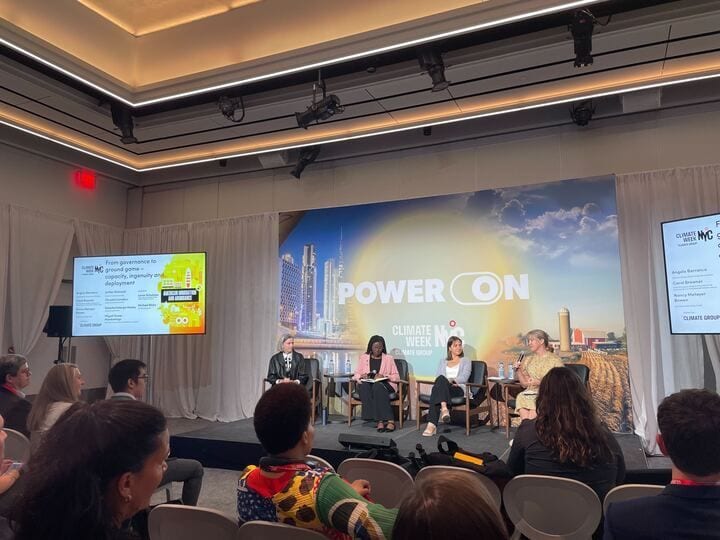
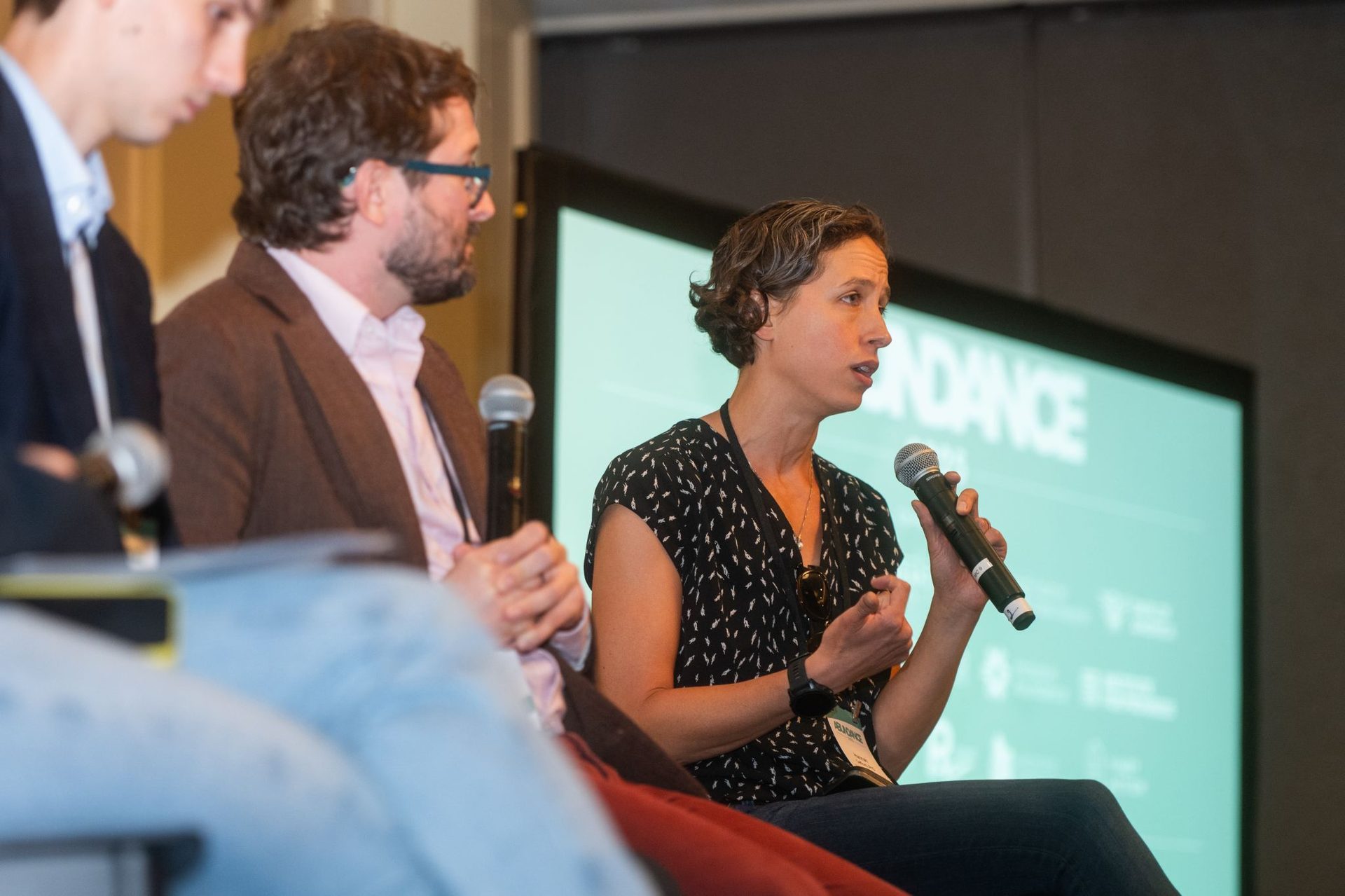
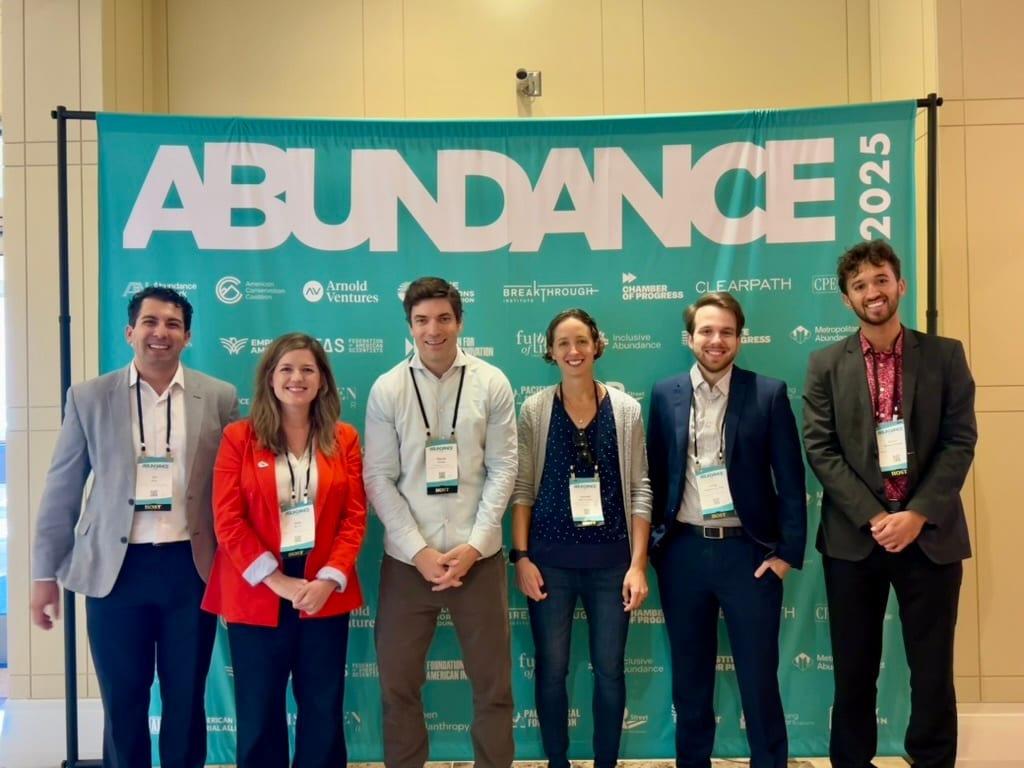
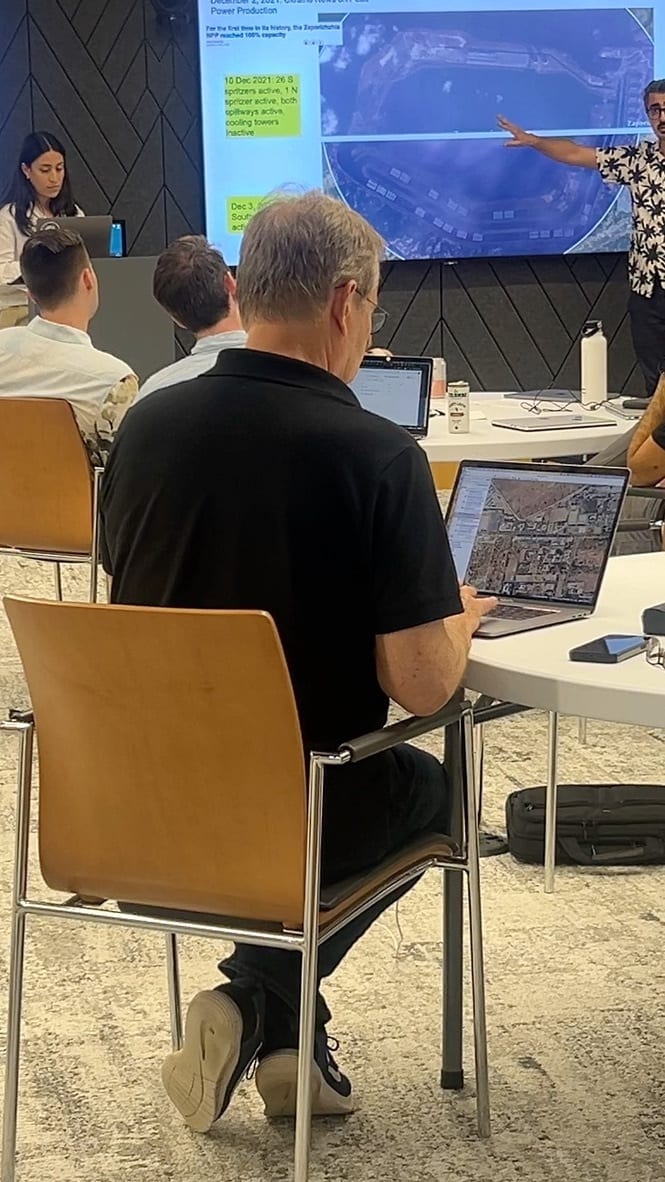
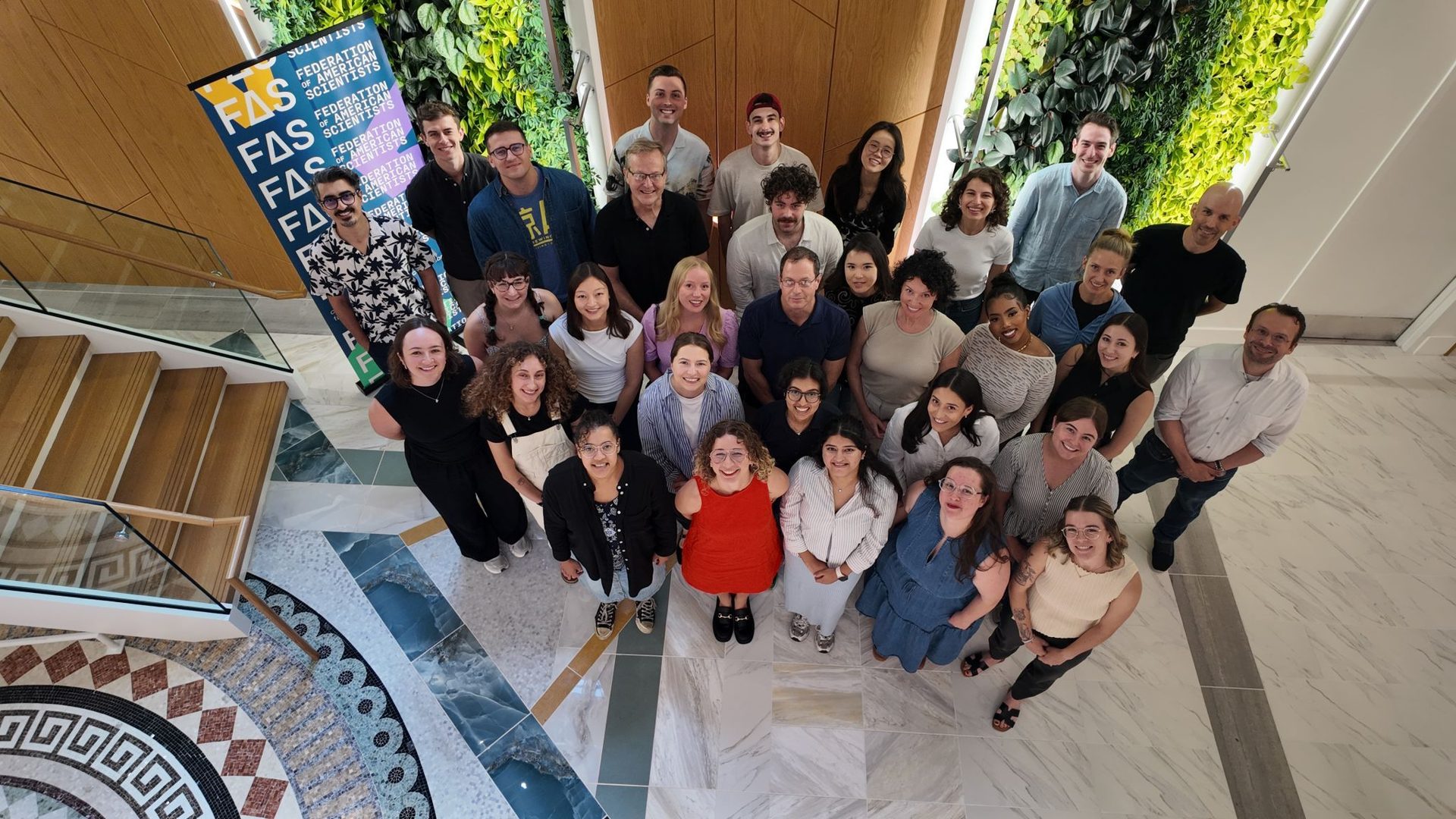
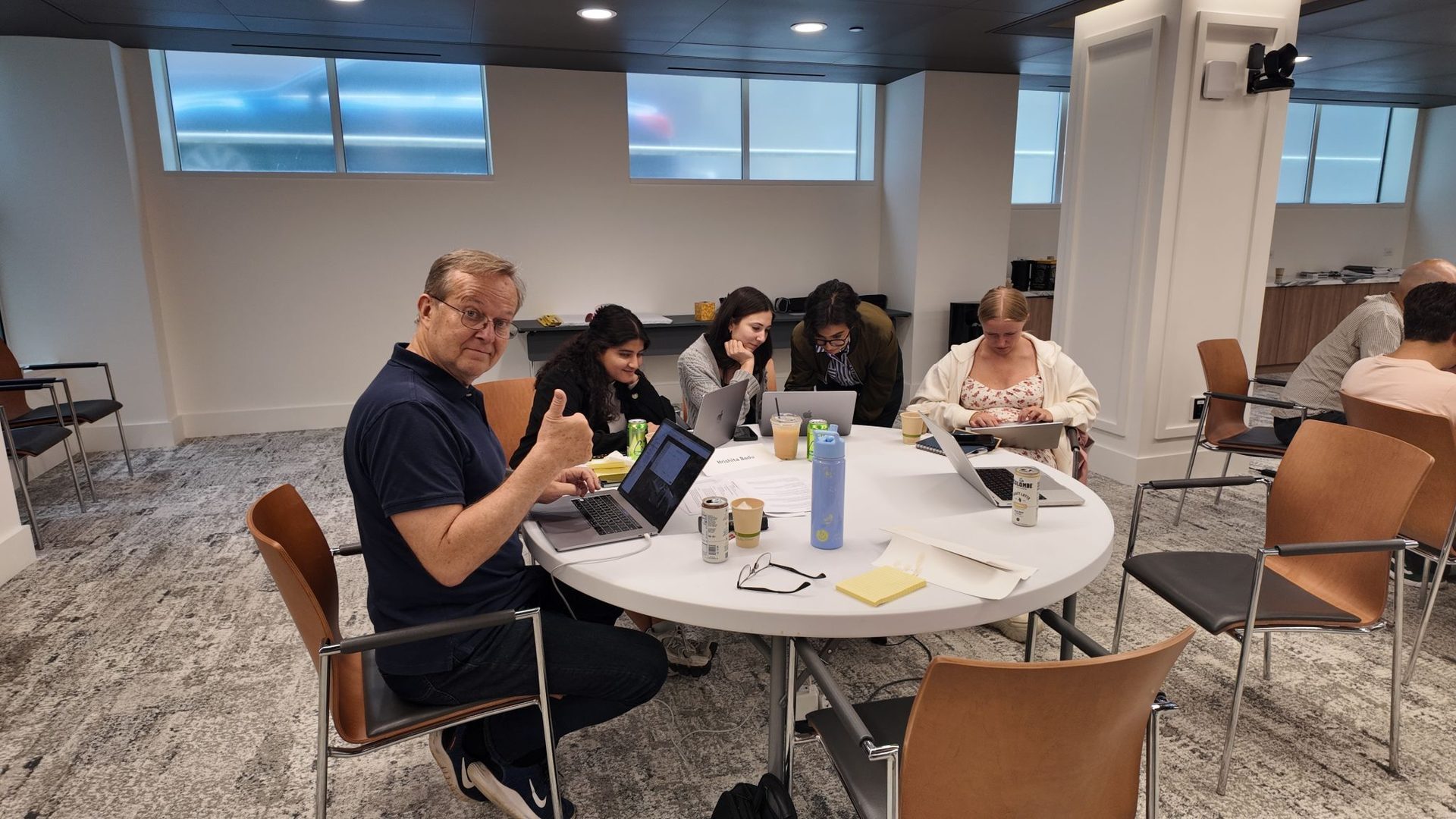
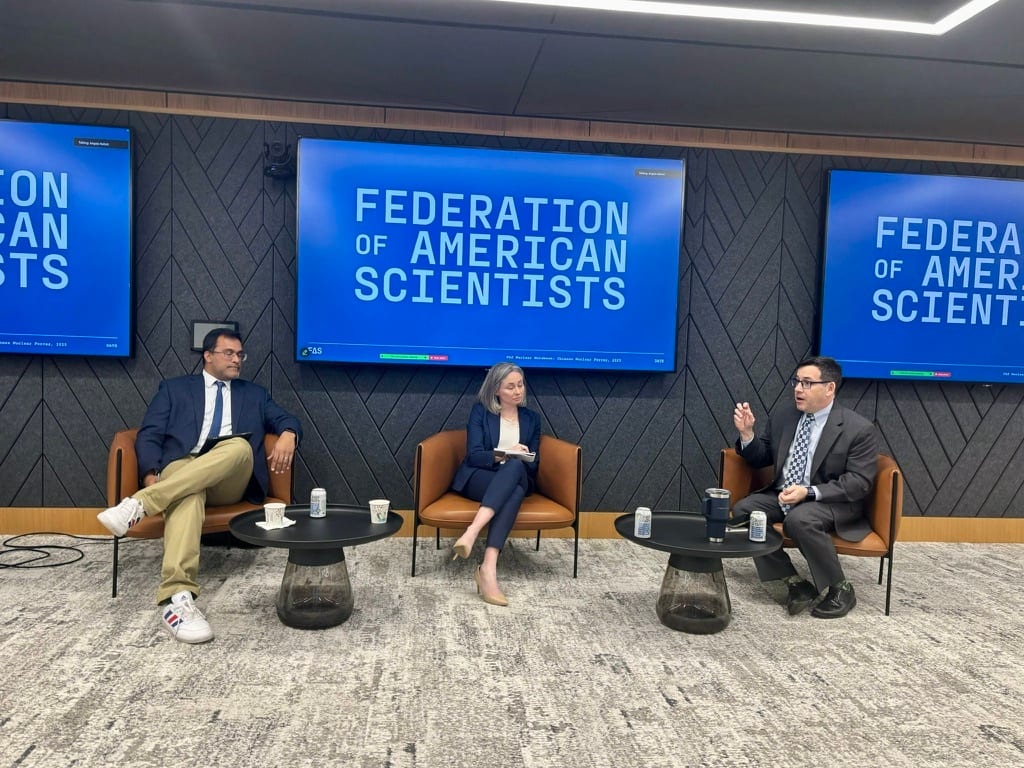
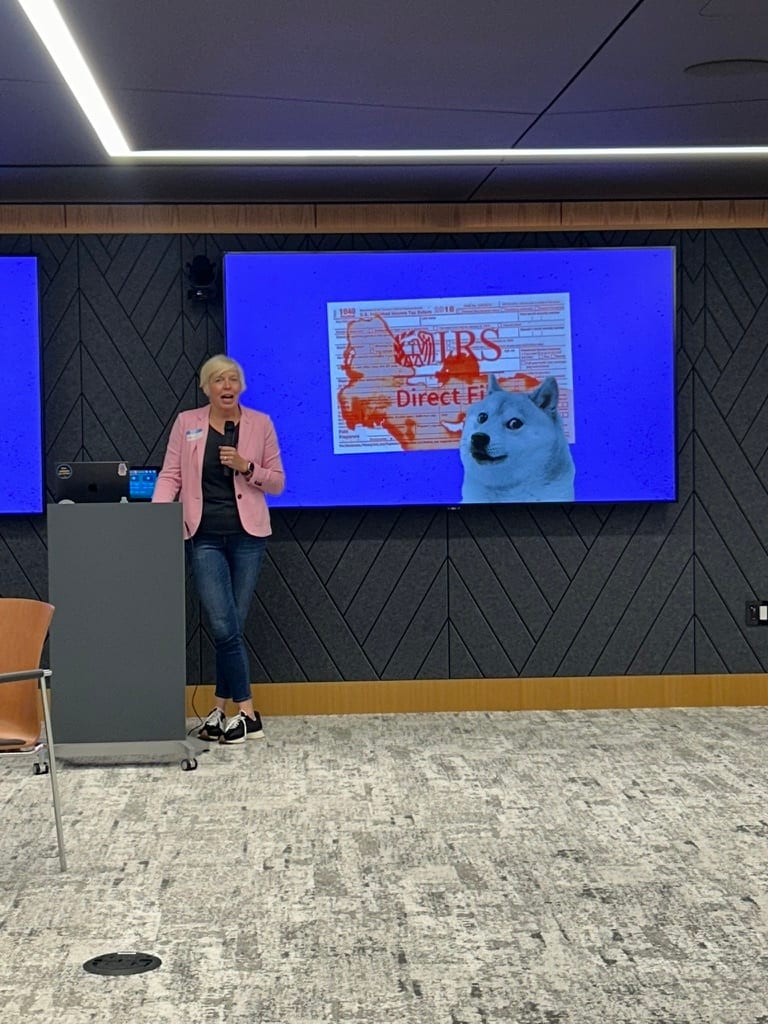
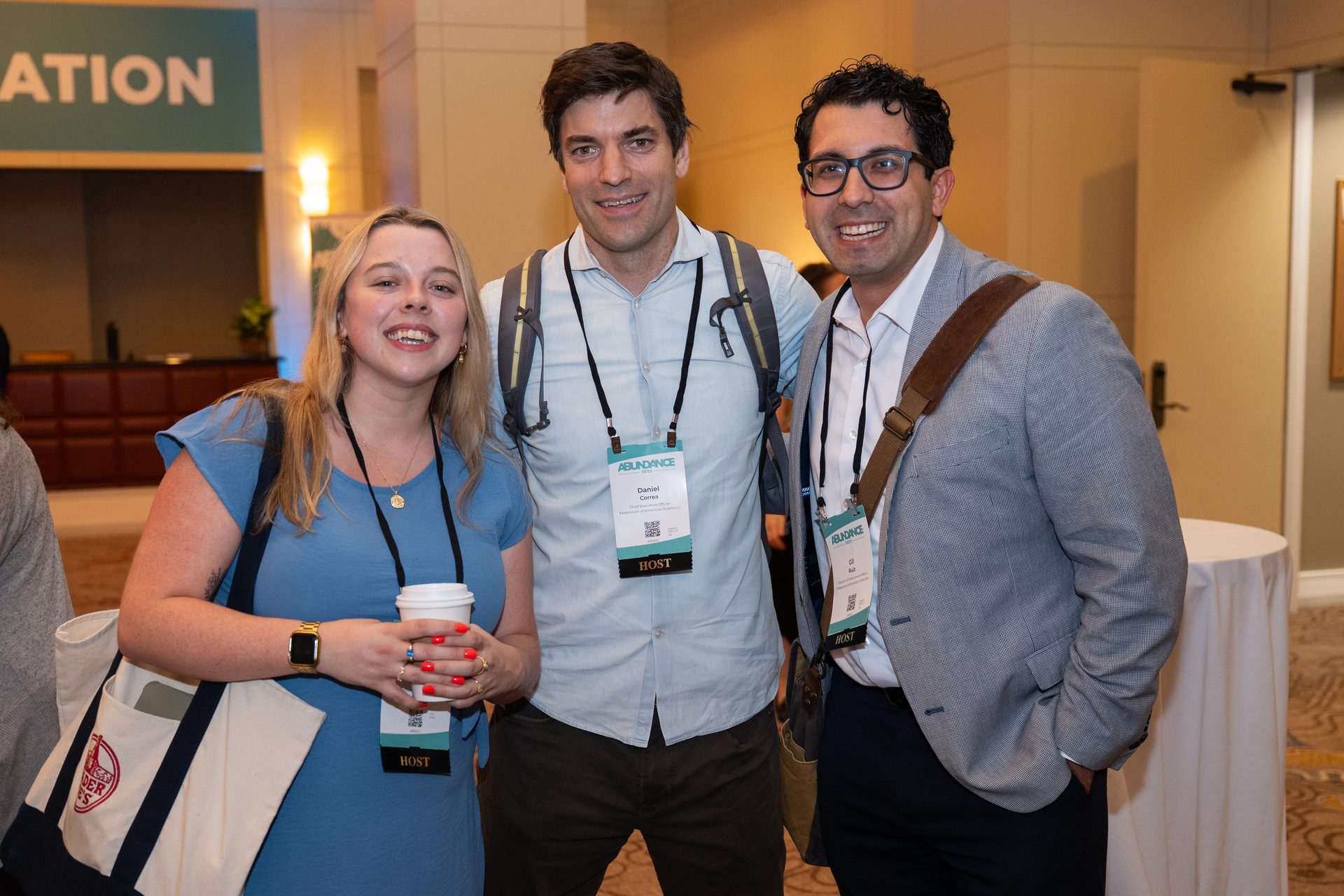
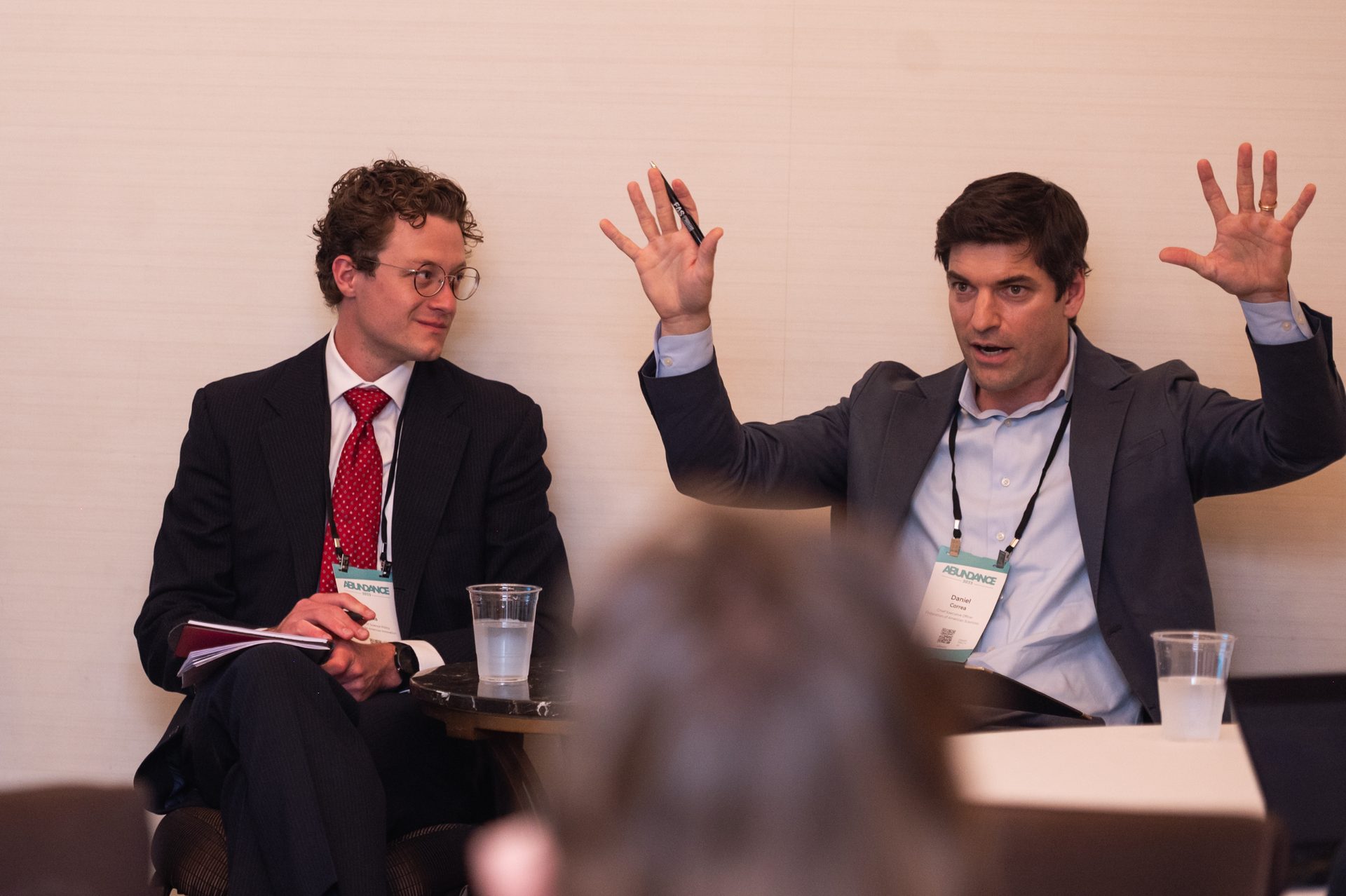
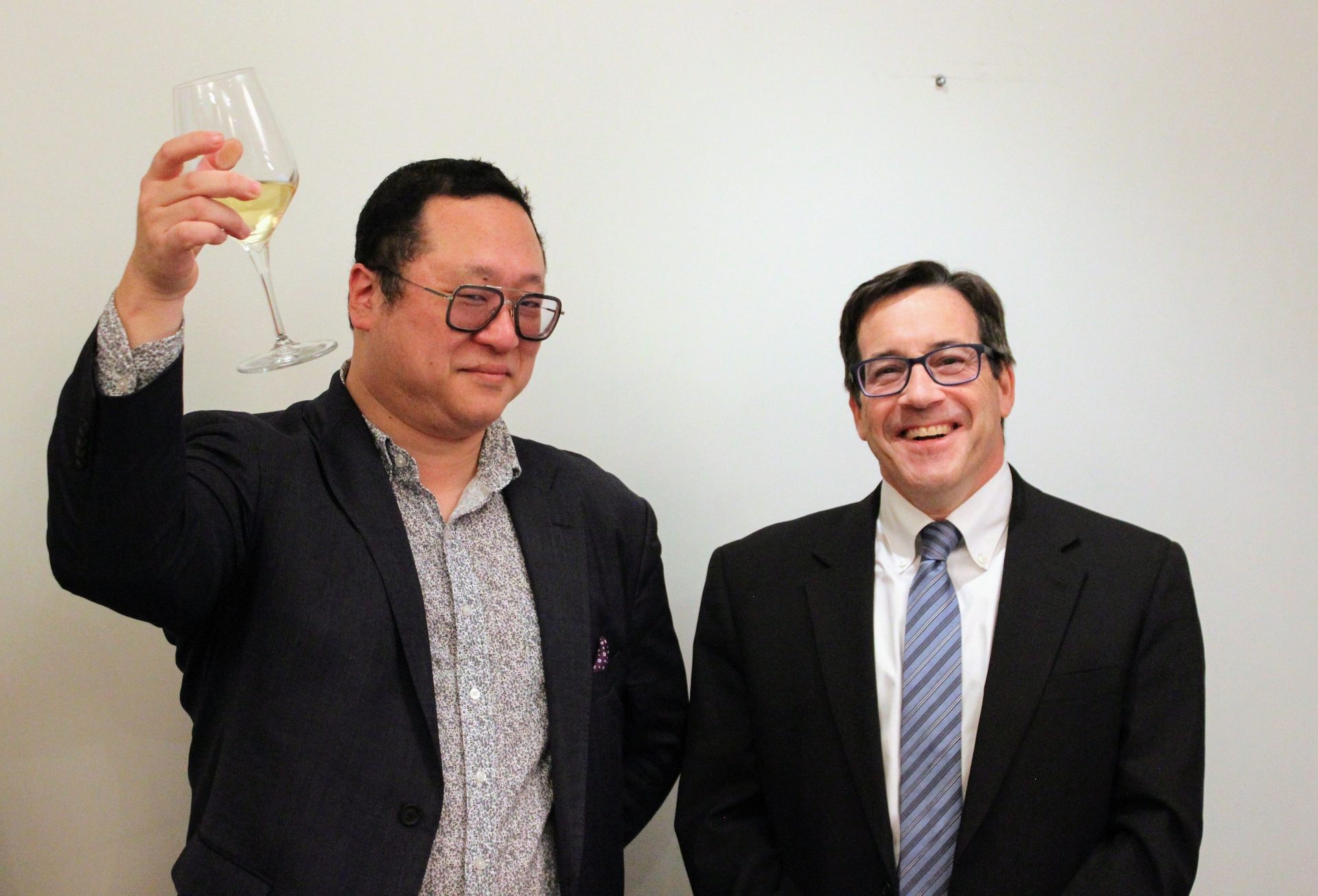
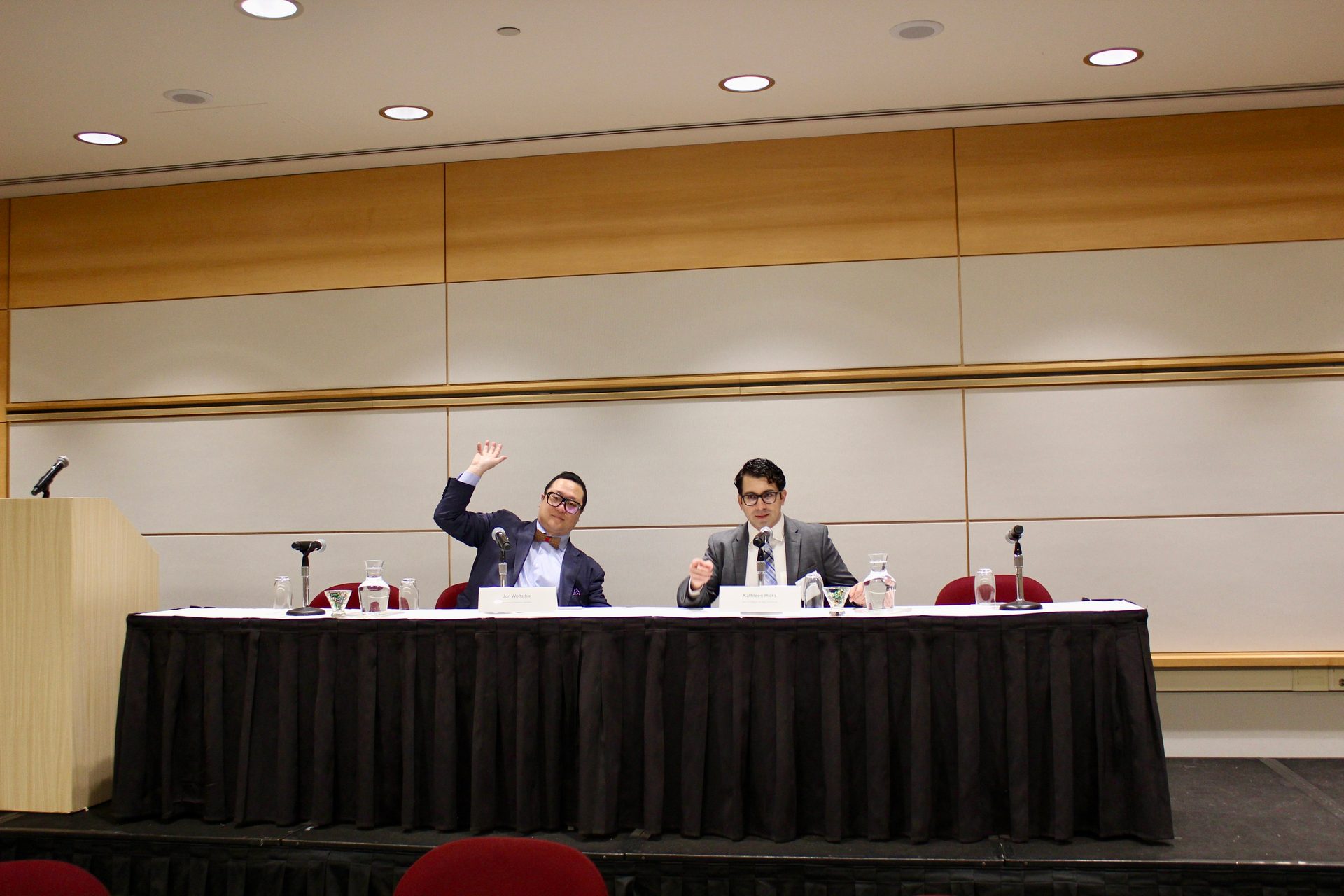
What we got up to in 2025
(here's more we couldn't fit above!)
In closing
What’s above is just a taste of what the Federation of American Scientists has been up to in 2025. You can find even more amazing work from our staff and other contributors at FAS.org.
In marking this incredible milestone anniversary for our organization – 80 years since that fateful meeting of atomic scientists – know that we continue to take great inspiration from our founders’ commitment to using scientific expertise and innovation to benefit humanity.
Policy entrepreneurship – that FAS superpower – started with them: our founders were using their expertise, experience, and their energy to suggest better public policy – undergirded by science and data.
We’ve added a lot of new pages to the FAS playbook in 2025 – from deepening our impact at state and local levels, to pushing conversations about AI policy into new territory, and providing leadership on the emerging crisis of extreme heat.
But in all of these areas – FAS remains committed to the idea that more voices, regardless of political stripe, need to be heard in the search for great policy ideas, because good ideas truly can come from anywhere.
As we enter 2026 – and our ninth decade – FAS is laser-focused on reimagining what the entire S&T ecosystem looks like. The past year was a year of much change – and we’re excited to both work with our peer organizations and to find new partners as we both rebuild and reform to make sure science and technology continues delivering on their promise for America.
We also know that a major key to a stronger and more vibrant S&T ecosystem will be communicating the power and promise of research and science-based policy to a public that too often feels disconnected from the larger project. We need new messages, new words, and new descriptions for the work that scientists do and why it matters.
We ask you to join us on the next leg of FAS’s historic journey. Contribute your own idea – and let FAS help you hone it into actionable public policy. Or help us make sure more people are involved in the next era of scientific and technological discussion and discovery. Or simply donate to FAS to support our work.
It’s up to you – but as proud as we are of FAS’s first 80 years, we’re even more excited about our next 80, and we’ll need you by our side.
... and thank you
Arnold Ventures
The Bill and Melinda Gates Foundation
The Innovation Initiative at the Clean Economy Project
Carnegie Corporation Of New York
Dana Foundation
David and Lucile Packard Foundation
Energy Foundation
Experiment Foundation
Forecasting Research Institute
Fund for a Better Future
Future of Life Institute
Gordon and Betty Moore Foundation
Heising - Simons Foundation
Joyce Foundation
Kapor Foundation
Kavli Foundation
Knight Foundation
Longview Philanthropy
National Science Foundation
New Land Foundation
Organizing Resilience
Platform for Agriculture + Climate Transformation
Ploughshares
Project Innerspace
Prospect Hill Foundation
Research Center for Nuclear Weapons Abolition
Resources Legacy Fund
Richard Lounsbery Foundation
Sloan Foundation
The Boston Foundation
The Dallas Foundation
The Roddenberry Foundation
The William and Flora Hewlett Foundation
True Ventures
Walton Family Foundation
... and you!