State and Local Innovation
There are no shortcuts when it comes to sound, evidence-based public policy – this, we firmly believe here at FAS.
But earlier this year, our organization announced a move that we hope will – at the very least – be a springboard into a world of new opportunities to drive positive change at the state and local level.
In April, we officially brought the MetroLab Network into the fold – making MetroLab’s team, portfolio, and vision, an official part of the Federation of American Scientists.



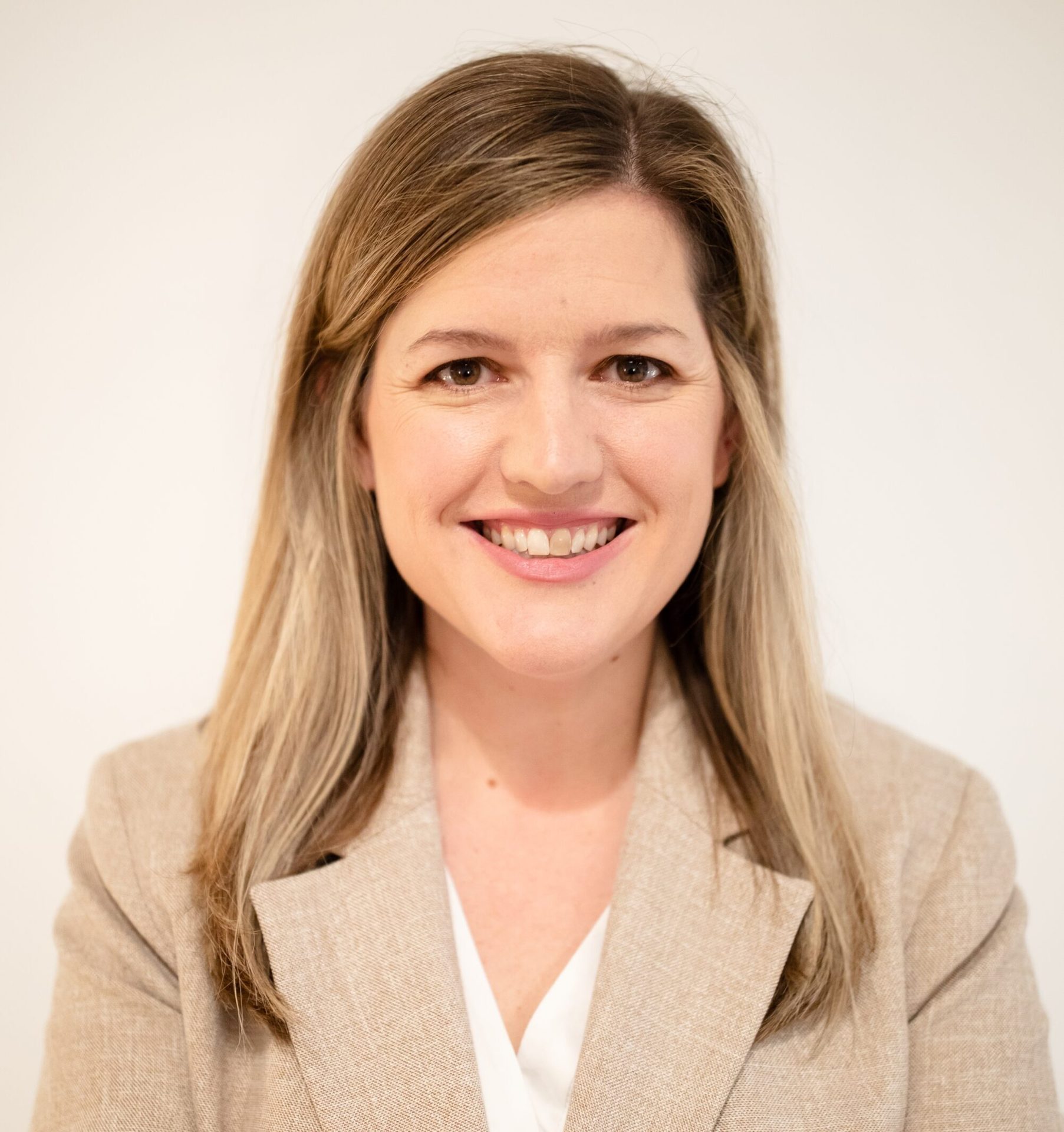
led by Kate Garman Burns
Before joining FAS, MetroLab’s small but mighty team worked to empower collaboration between local governments and universities, operating under the core belief that science and research can live and flourish in cities and their city halls – bringing innovation and solutions to the front door of communities. The team thinks of this as the science-to-impact pipeline, and their job is to supercharge that pathway.
Sound familiar? You can see why the acquisition was both logical and exciting for FAS.
Once the MetroLab team arrived, they became the backbone of our new State and Local Innovation team – bringing a new level of connectivity to municipal governments and institutions of higher learning around the country – and they got to work.
Building on their collaboration with the Federal Highway Administration and UCLA – the team co-hosted two workshops (in Los Angeles, CA, and Austin, TX) as part of Mobility COE, exploring the impacts of new mobility technology and highly automated vehicles.
In the fall, Burns and the team also celebrated the latest round of the National Science Foundation’s Civic Innovation Challenge (CIVIC) with a gathering in Washington, DC; the competition funds projects and partnerships between researchers and local communities to pilot innovative, research-based solutions that address climate resilience and equitable access to essential resources, focusing on scalable, real-world impacts.
In addition, responses to the team’s national survey on local research and development priorities continued to roll and now the FAS’s State and Local team has heard from more than 200 municipalities outlining what R&D targets would help their communities the most.
The team also held nine in-person workshops in 2025 to gather more insight from localities on their greatest needs and challenges – in places like Little Rock, AR, Guilford County, NC, and Syracuse, NY.
The insights and challenges surfaced by the survey and these workshops will end up in a “Local R&D Agenda” report, slated for publication in 2026.
The bottom line is that FAS’s new State and Local Innovation team is constantly interacting with universities and municipalities all around the country, and finding out what matters to them when they think about the intersection of science and public policy.
“We’re visiting these places not for big conferences, but to meet the people doing the work in the communities where they live,” FAS Director of State and Local Innovation (and former MetroLab CEO) Kate Garman Burns says.
“No one else is doing this at scale. It’s about really understanding what it means to democratize science.”