Wildfire is a natural feature of the American landscape.
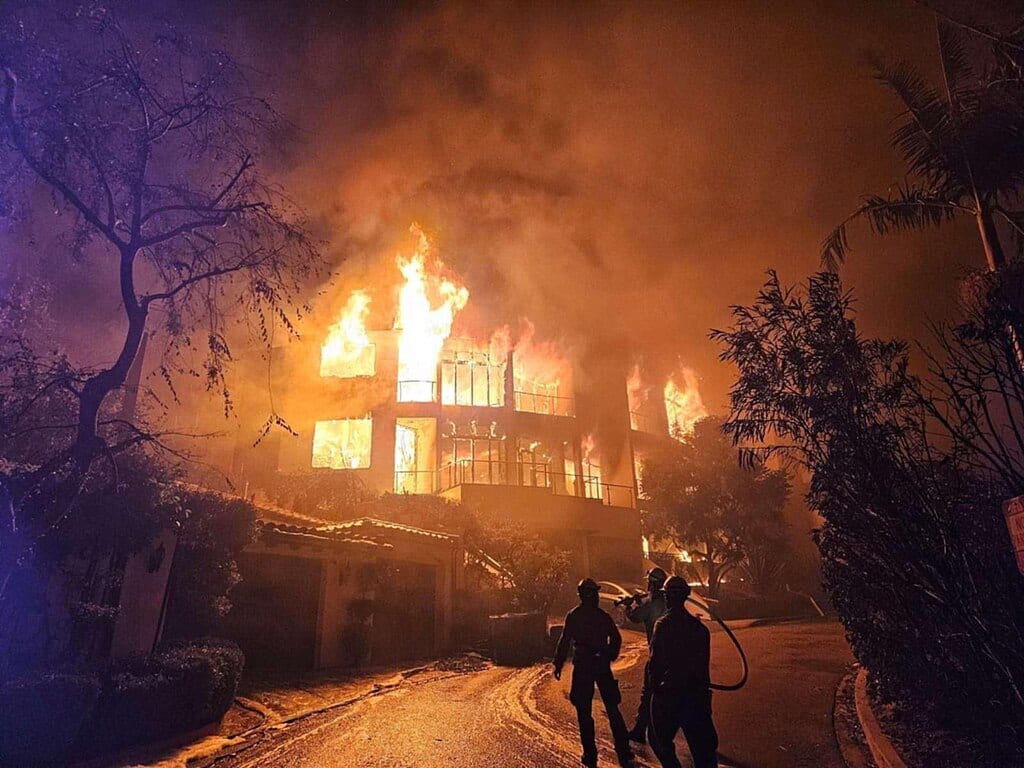
That’s easy to forget – especially in the wake of the fires that decimated parts of Los Angeles at the start of 2025.
Decades of land mismanagement combined with a changing climate and land use patterns have turned this natural phenomenon into a full-blown crisis in the United States.
Extreme wildfires now pose risks to life, property, health, and the climate.
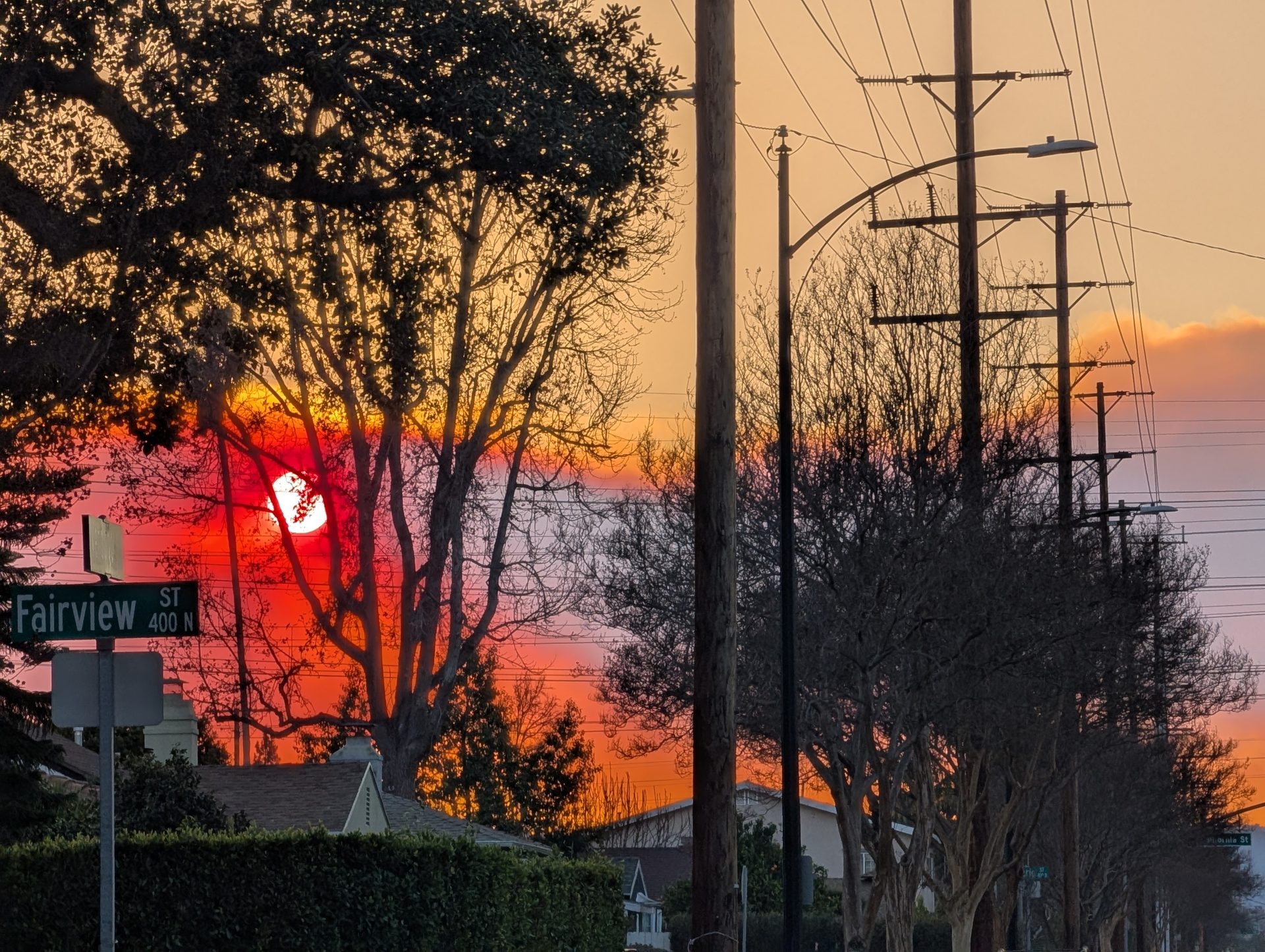
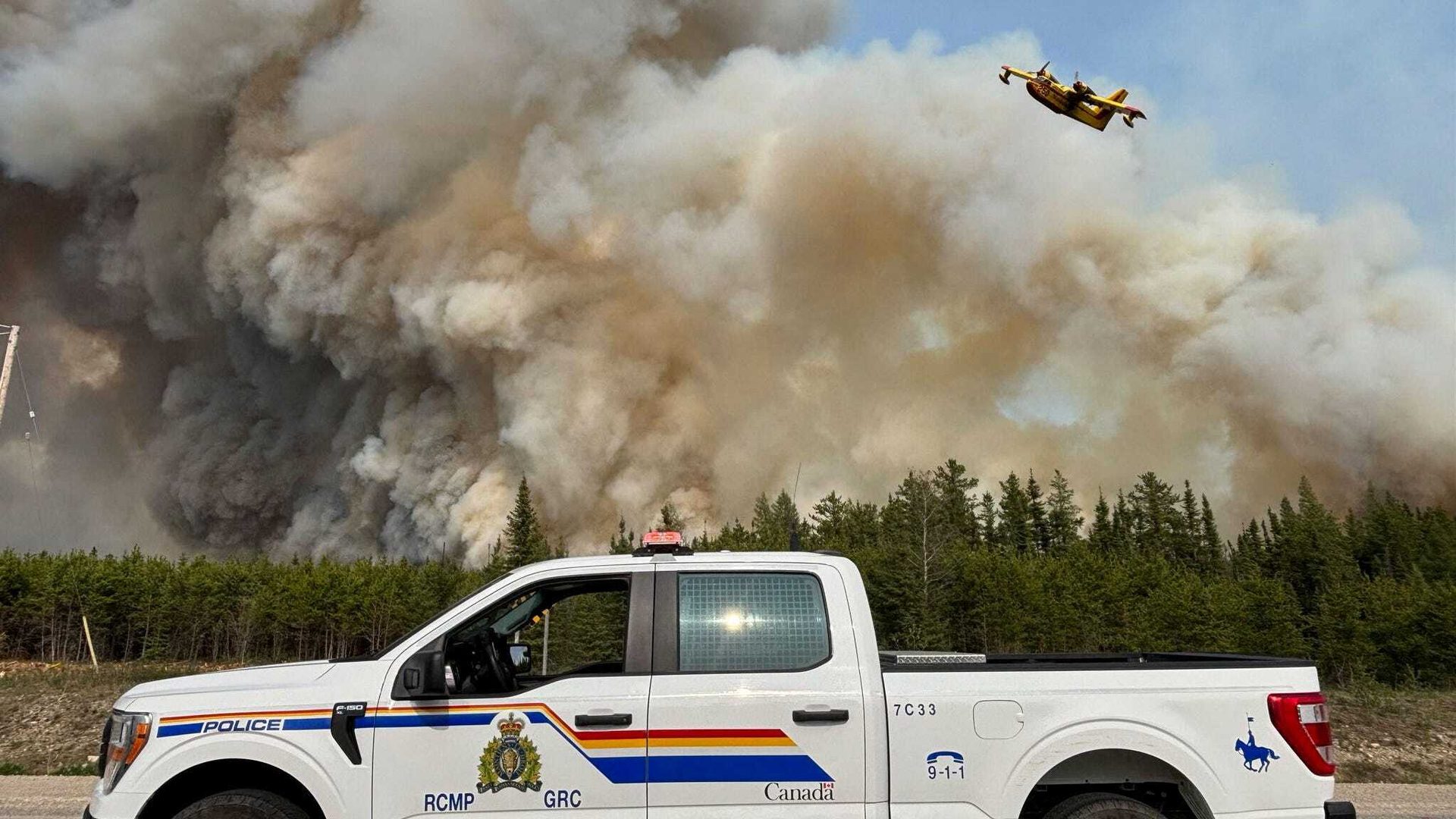
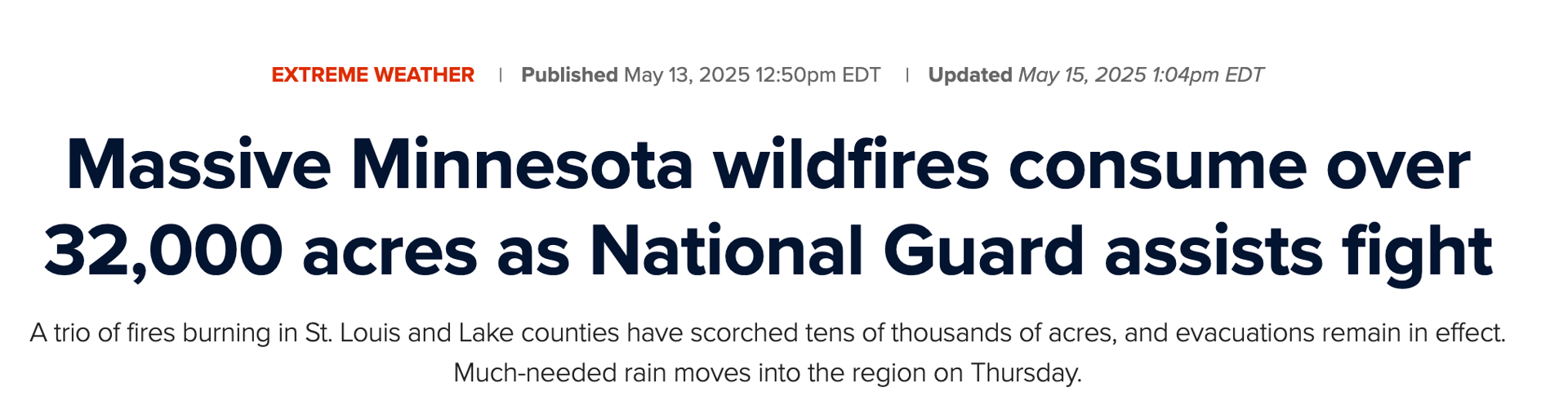
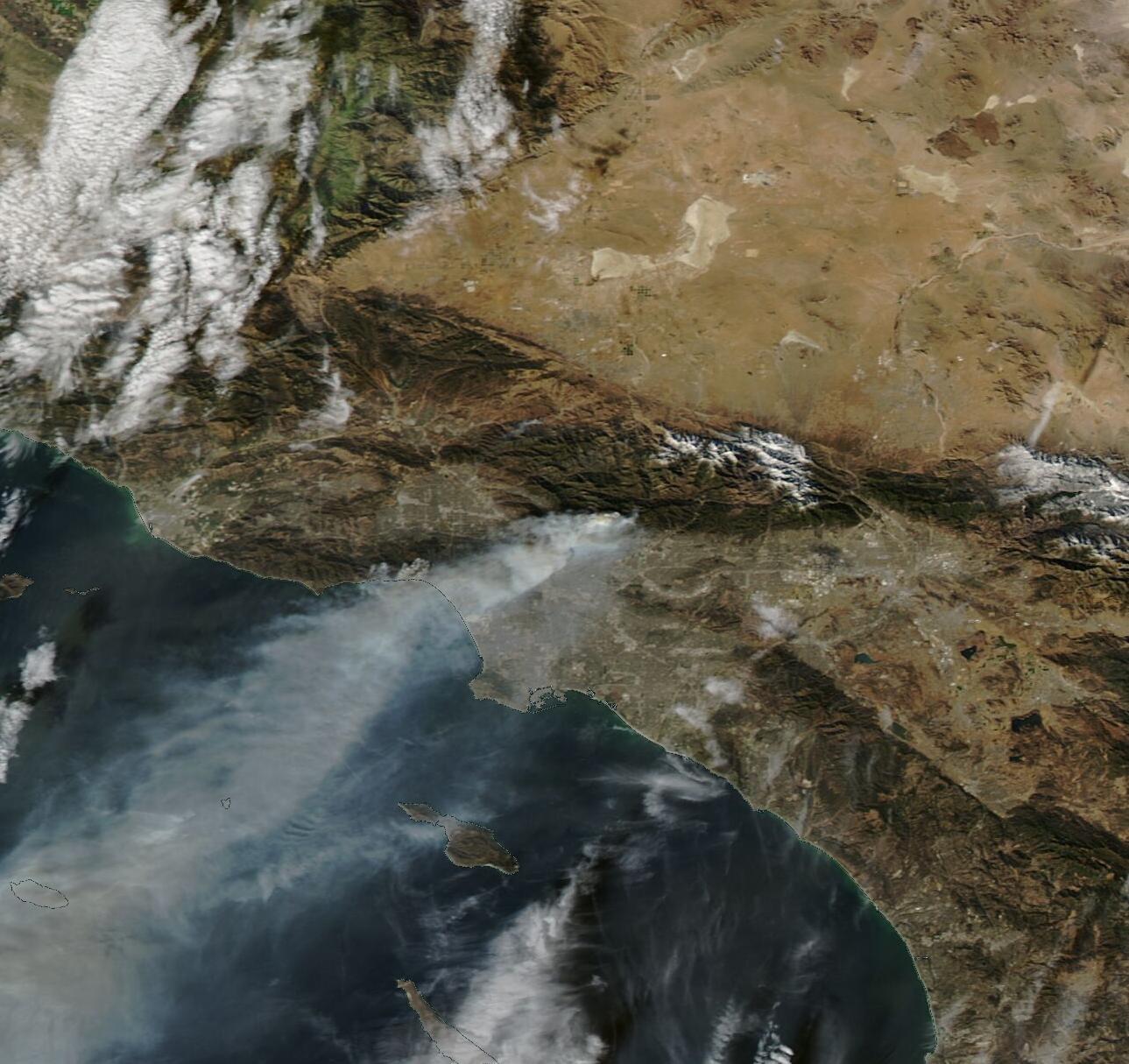
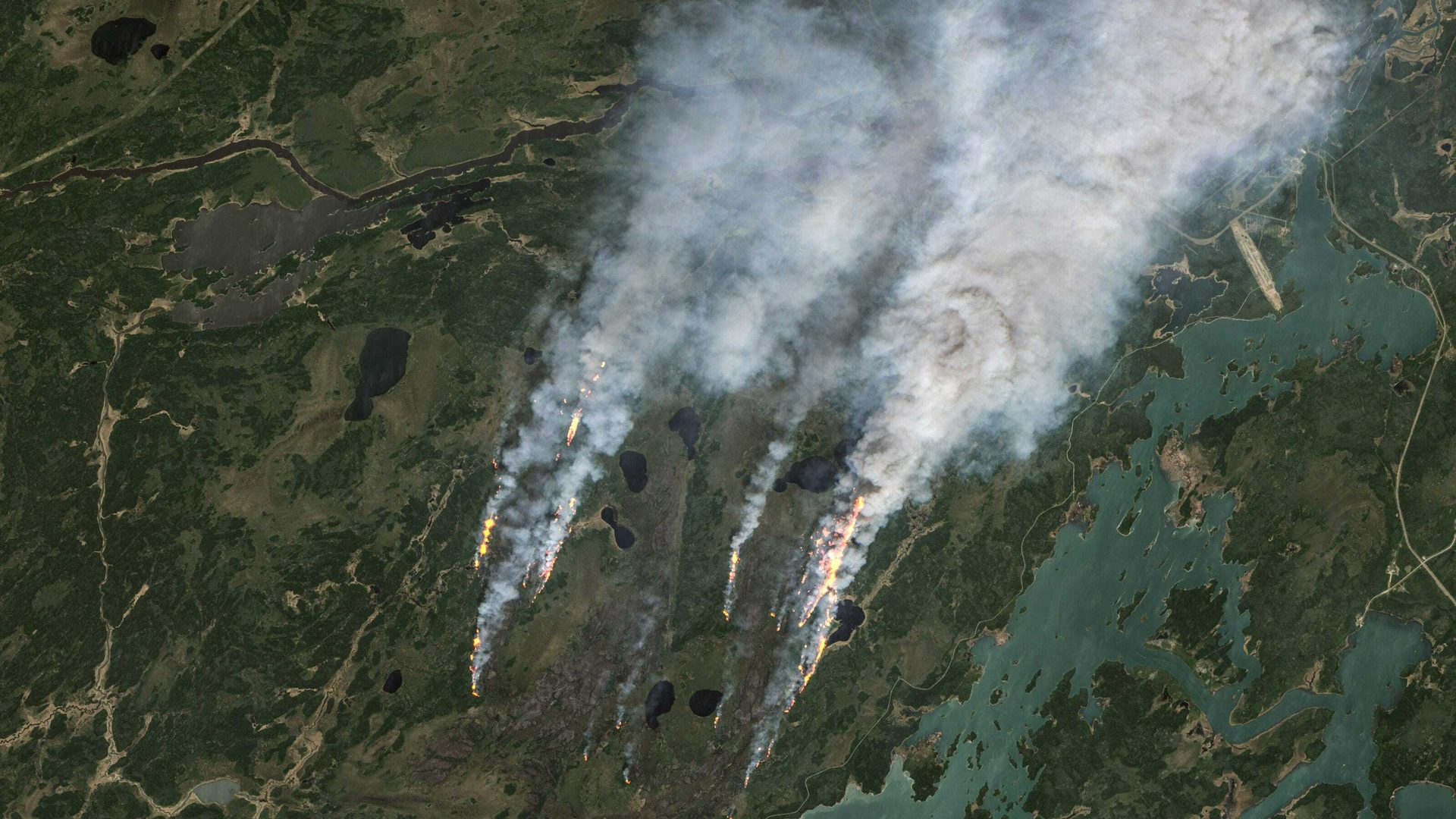
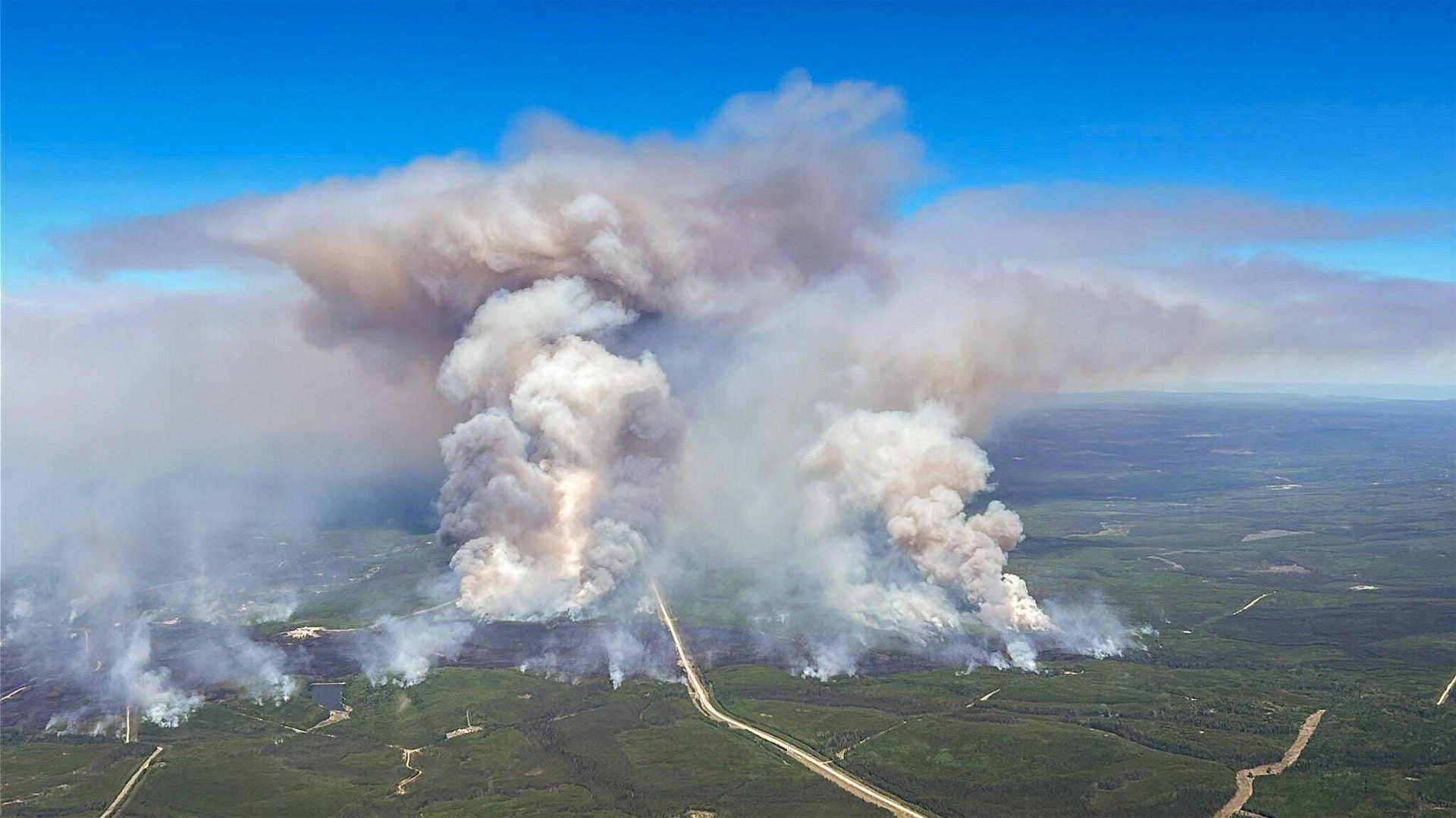


Just this summer, wildfires raged in Minnesota while smoke from fires in Canada impacted air quality across thousands of miles for millions of Americans.
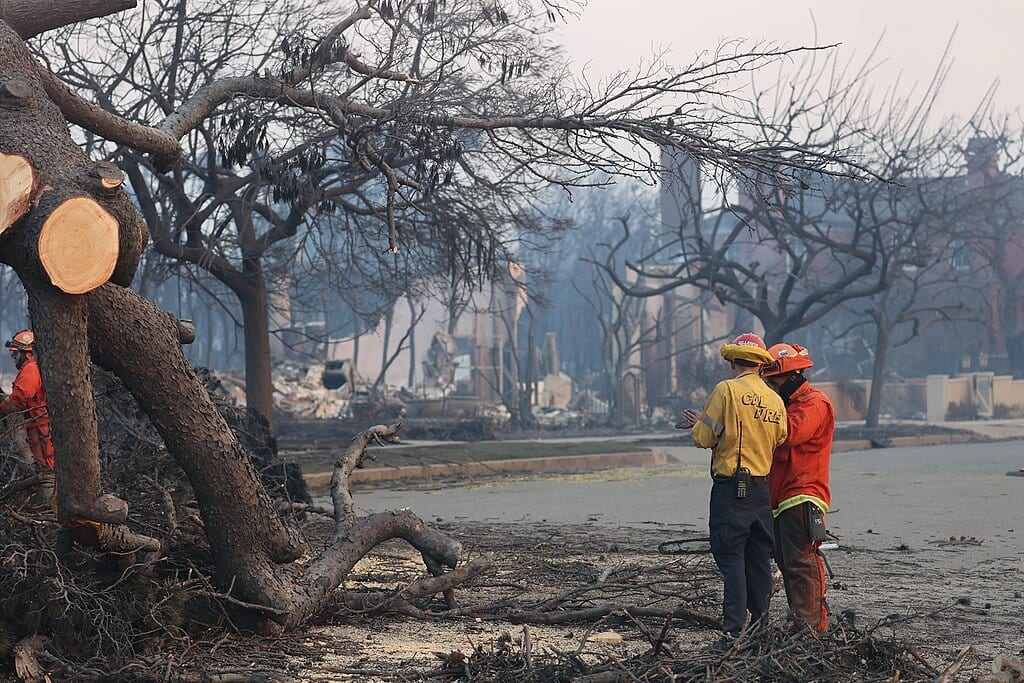
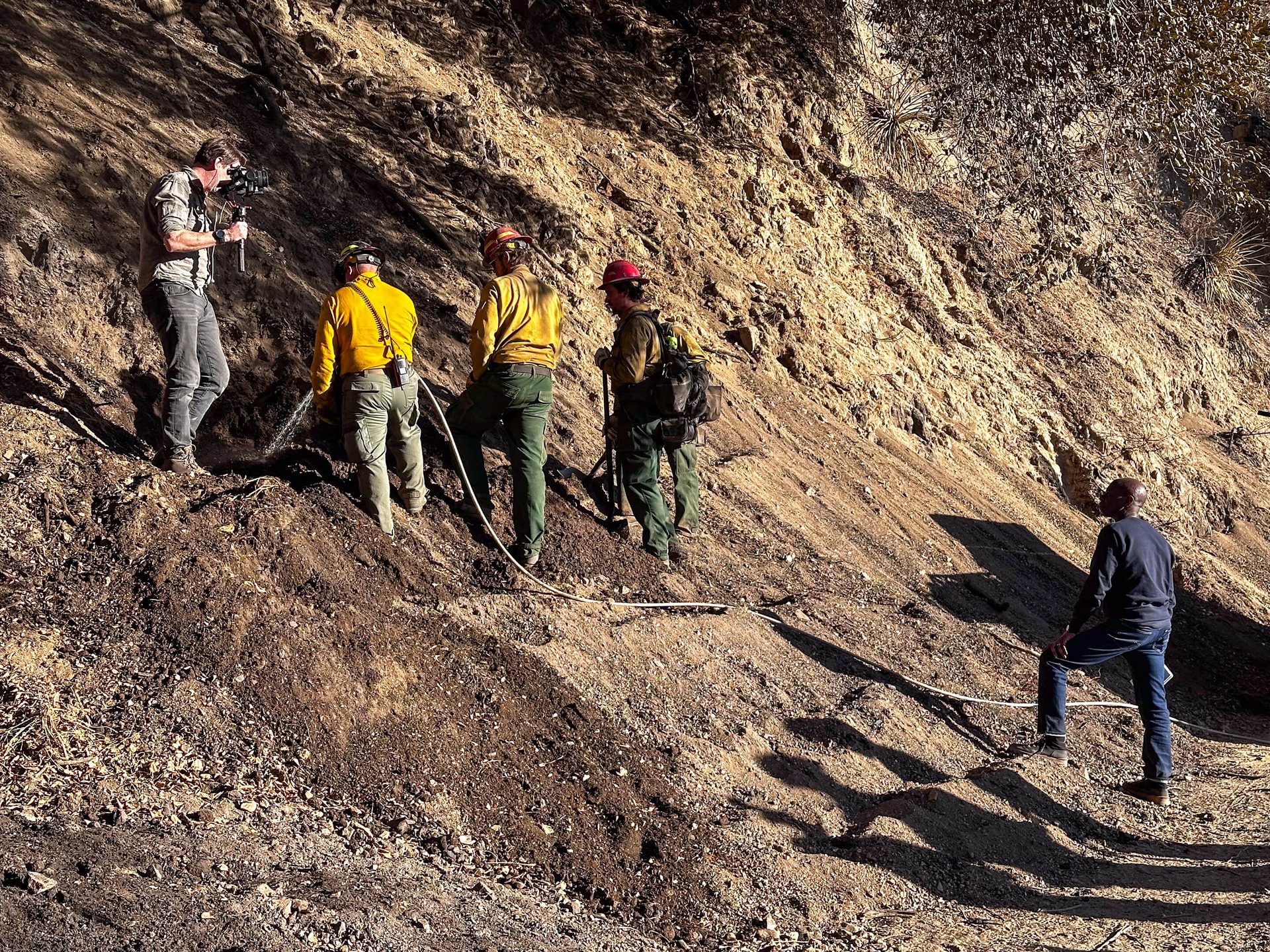
Meanwhile, states from Hawaii to California are undertaking the process of recovery in the aftermath of severe losses of life and property.
Unless we fundamentally—and quickly—change how we prepare for, respond to, and recover from fire in the United States, we will continue to face wildfires that collectively cost hundreds of billions of dollars and compromise the health of millions of Americans.
The Federation of American Scientists seeks to build a world where people and wildfire co-exist safely. As the threat of fire becomes more dire, communities will need to rely on science, data, technology, and evidence to tackle the challenges it poses. Nearly one-third of the land in the United States is owned by the federal government. How we respond to crises on federal lands has implications for the resilience of the entire country.
FAS’s work in the wildfire space is a testament to true policy entrepreneurship.
A few short years ago, FAS spotted a policy window – the establishment of the Wildland Fire Mitigation and Management Commission, a Congressionally-mandated, multi-disciplinary body tasked with drafting recommendations and strategies to deal with the wildfire crisis. Convening experts and gathering ideas directly from scientists and innovators, FAS compiled a series of policy memos centered on wildfire, many of which ended up informing the Commission’s final report in 2023.

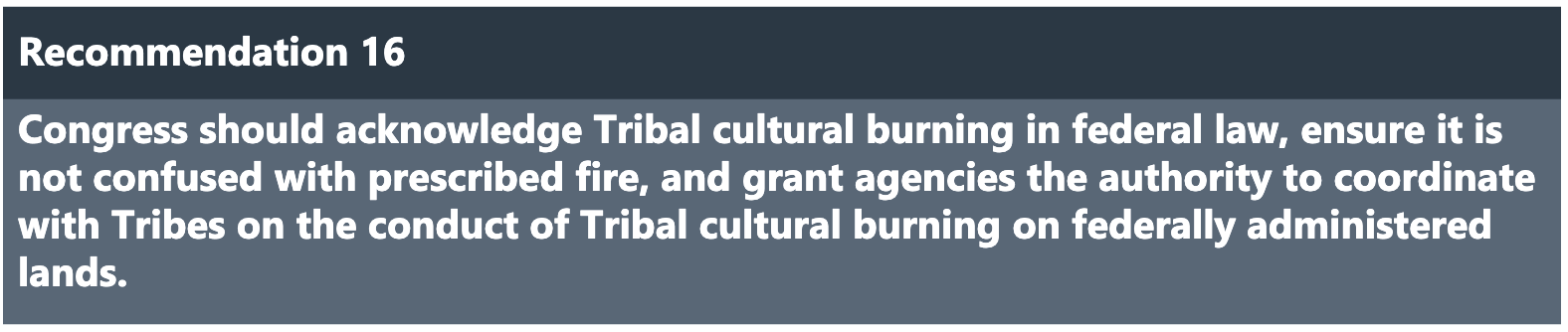
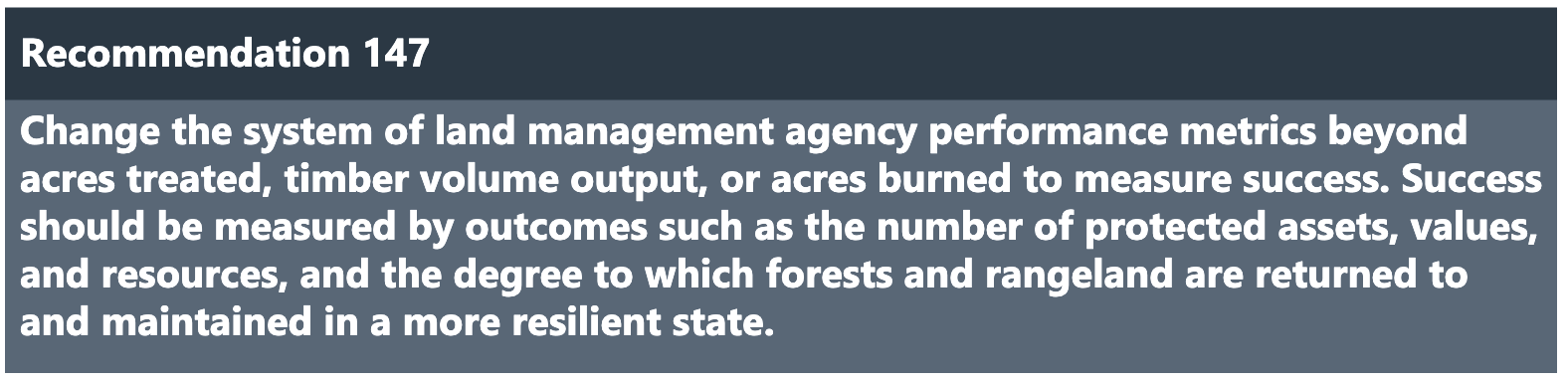

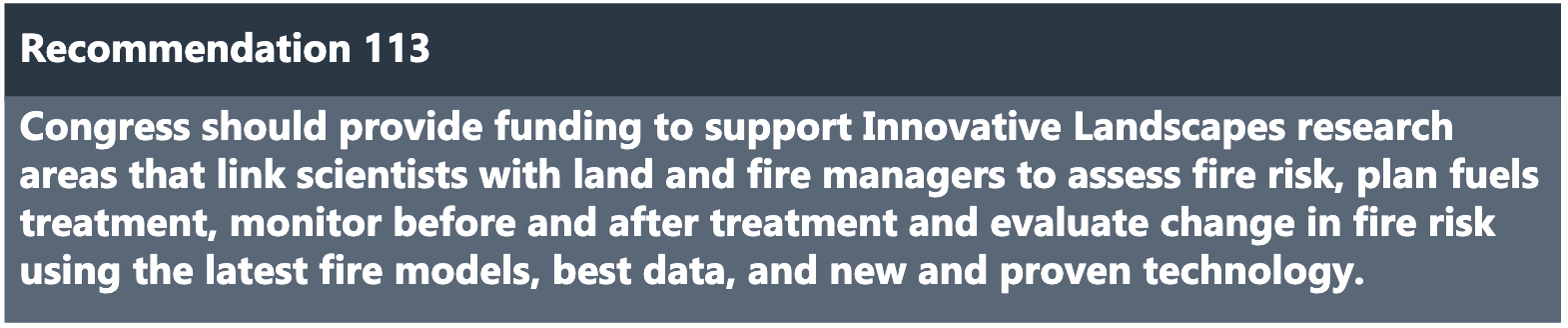
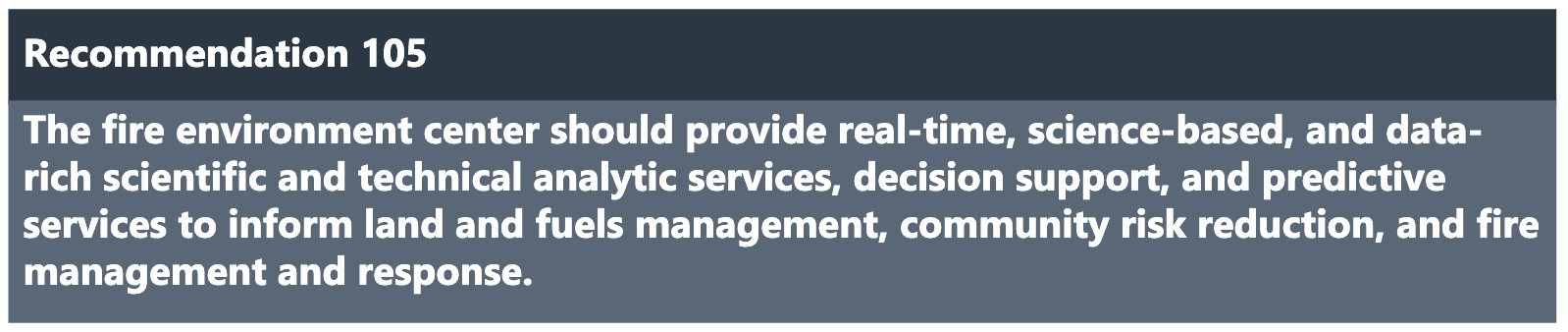
The work of policy entrepreneurship didn’t stop there – in the time since the Commission’s report was released, FAS’s wildfire team has continued educating policymakers and the public, and expanded the coalition of voices calling for evidence-based reform of how the government tackles the wildfire challenge.
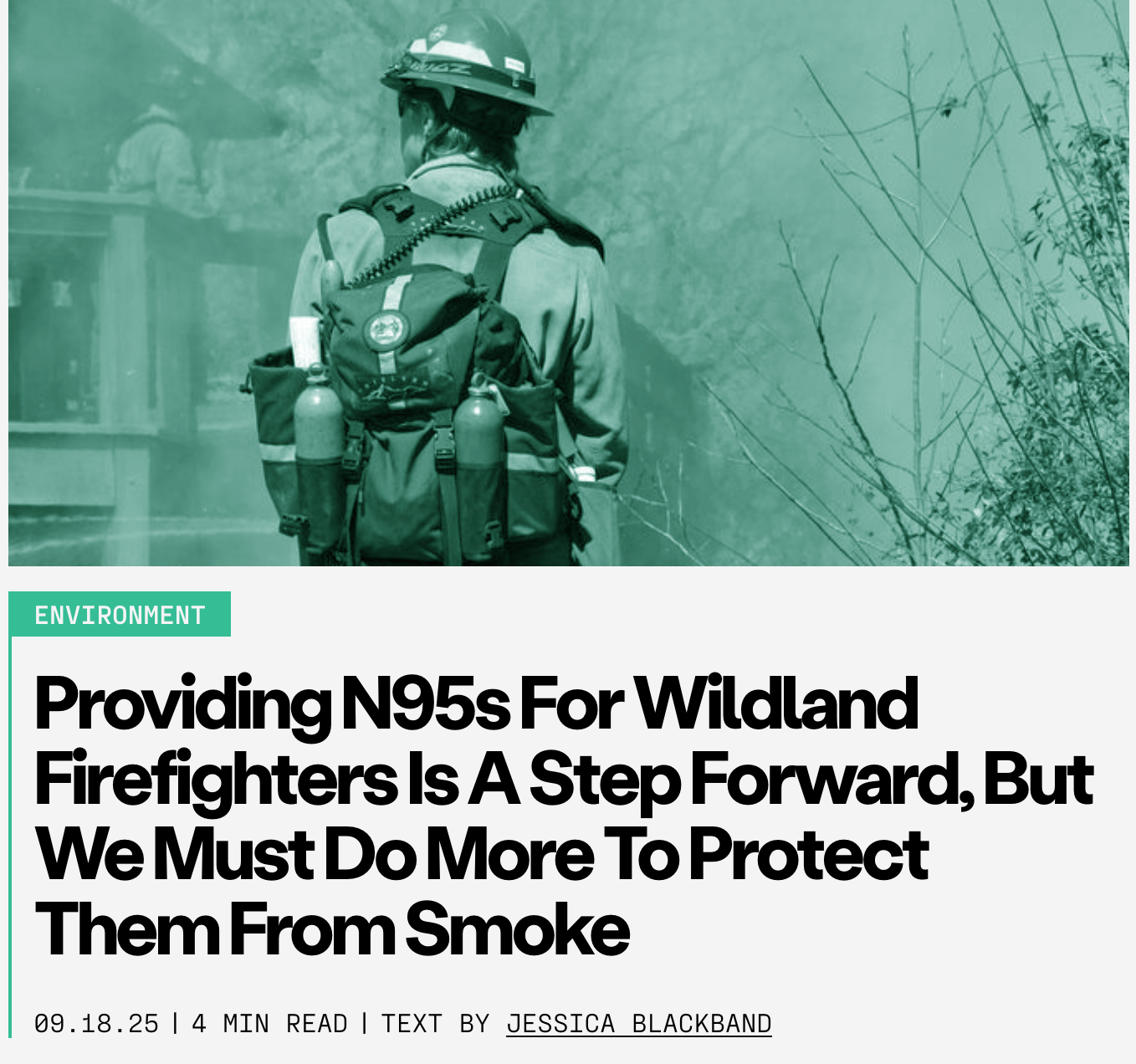
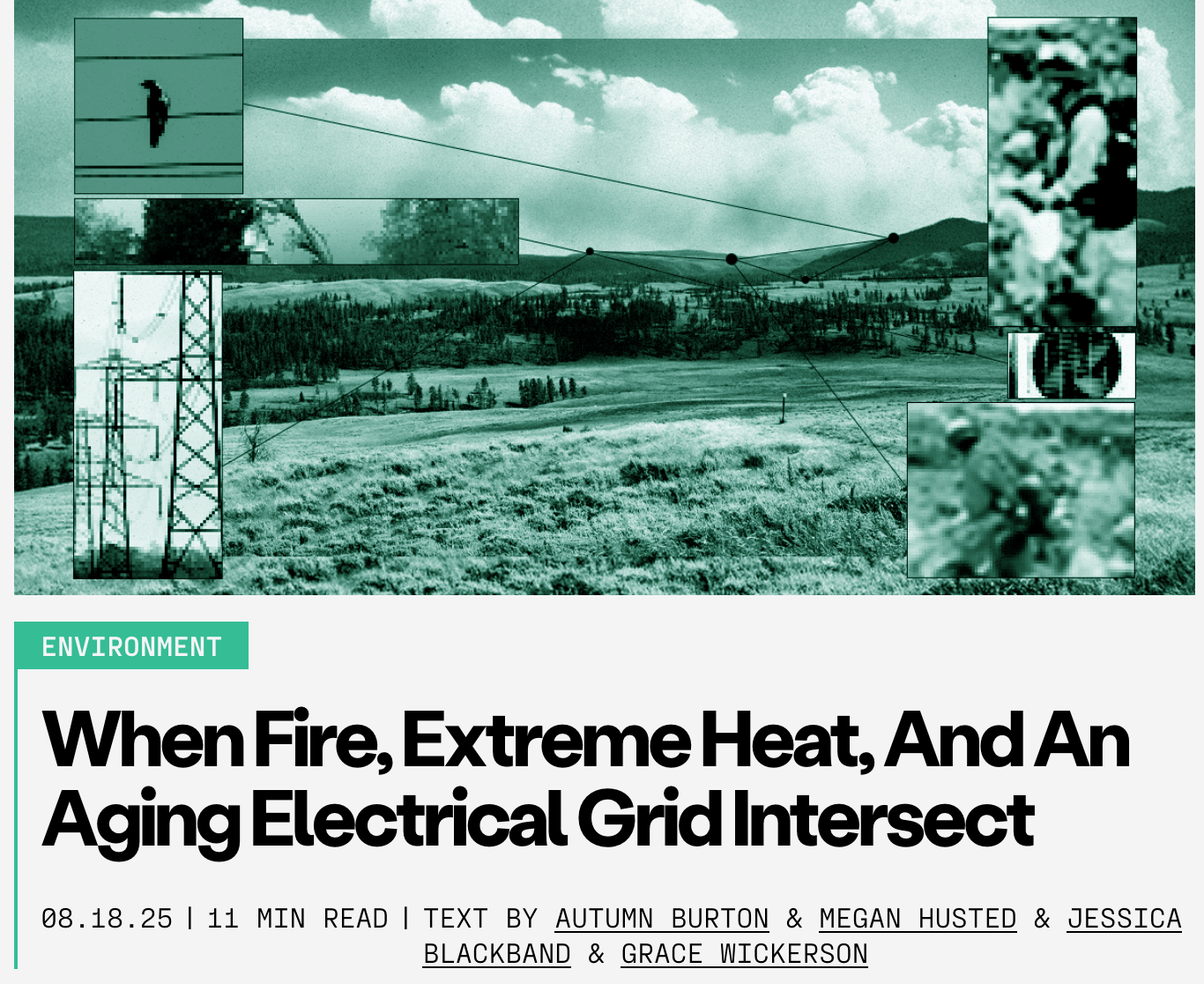
Now, at the end of 2025, the Fix Our Forests Act (FOFA) is on the brink of becoming law. Ideas that originated as Day One Policy memos or internal FAS suggestions have made their way into the draft legislation.
Our team has played a key role in building a bipartisan coalition in support of this bill, spanning conservation groups, firefighting alliances, fiscal responsibility groups, and legislators from across the aisle.
This coalition is poised to bring smart and effective policy thinking beyond FOFA – and even beyond wildfire policy – since wildfire is only one of many pressing ecological challenges.